
The Benefits of Journaling: How Writing Can Transform Your Mental Health

In a world filled with constant noise and distractions, journaling offers a quiet space for self-reflection and clarity. Whether you’re jotting down your thoughts, tracking goals, or expressing emotions, putting pen to paper has profound mental health benefits. A 2024 study by the University of Rochester found that just 15 minutes of journaling daily can reduce stress, improve mood, and even boost immunity. Here’s how this simple habit can transform your life—and how to get started.


Why Journaling Works

️ The Science Behind It

  • Stress Reduction: Writing about your thoughts and feelings helps process emotions, lowering cortisol levels.
  • Improved Focus: Journaling organizes your mind, making it easier to prioritize tasks and goals.
  • Emotional Healing: Expressing yourself on paper can help you work through trauma or anxiety.

 The Cost of Not Journaling

  • Mental Clutter: Unprocessed thoughts can lead to overwhelm and burnout.
  • Poor Emotional Regulation: Bottling up emotions increases stress and anxiety.
  • Missed Opportunities: Without reflection, it’s harder to learn from experiences or set meaningful goals.

How to Start Journaling

 Simple Techniques

  1. Gratitude Journaling:
    • Write down 3 things you’re grateful for each day.
    • Focus on small, everyday moments.
  2. Stream-of-Consciousness Writing:
    • Write whatever comes to mind for 5–10 minutes.
    • Don’t worry about grammar or structure—just let it flow.
  3. Goal Tracking:
    • List your short-term and long-term goals.
    • Reflect on progress and adjust as needed.
  4. Emotional Release:
    • Write about your feelings, especially during tough times.
    • Use prompts like, “What’s weighing on me today?”

Tools to Enhance Your Journaling Practice

Tool Purpose Why It’s Useful
Day One App Digital journaling Easy to use and accessible on all devices.
The Five-Minute Journal Guided prompts Perfect for beginners and busy schedules.
Notion Customizable journaling templates Great for goal tracking and organization.

Expert Insights: The Power of Journaling

“Journaling is a form of self-therapy. It helps you process emotions, gain clarity, and find solutions to problems.”
– Dr. James Pennebaker, Psychologist and Author of Writing to Heal.

“Writing down your thoughts is like decluttering your mind. It creates space for creativity and peace.”
– Julia Cameron, Author of The Artist’s Way.


Real-Life Benefits of Journaling

1. Stress Relief

Journaling helps you process emotions, reducing anxiety and tension.

2. Improved Mental Clarity

Writing organizes your thoughts, making it easier to focus and make decisions.

3. Personal Growth

Reflecting on your experiences helps you learn and grow.

See also 10 Essential Tips for a Healthy Lifestyle: A Complete Guide 


The Bottom Line

Journaling is a simple yet powerful tool for improving mental health and overall well-being. By dedicating just a few minutes each day to writing, you can reduce stress, gain clarity, and unlock your full potential. So, grab a notebook or open an app—your mind will thank you.


10 Essential Tips for a Healthy Lifestyle: A Complete Guide

Maintaining a healthy lifestyle is essential for long-term well-being. Small, consistent habits can make a big difference in your physical and mental health. In this guide, we will cover 10 essential healthy lifestyle tips that can improve your overall well-being.

1. Eat a Balanced Diet

A nutritious diet is the foundation of a healthy life. Include a variety of fruits, vegetables, whole grains, lean proteins, and healthy fats in your meals. Avoid processed foods, excess sugar, and unhealthy fats. Read more about balanced diets here.

2. Stay Hydrated

Drinking enough water is crucial for digestion, energy levels, and overall health. Aim for at least 8 glasses (2 liters) of water per day. Proper hydration helps flush toxins and keeps your body functioning optimally.

3. Exercise Regularly

Physical activity helps maintain a healthy weight, strengthens muscles, and improves cardiovascular health. Aim for at least 150 minutes of moderate exercise per week, such as walking, jogging, or yoga. Check out CDC’s exercise recommendations.

4. Get Quality Sleep

Good sleep is essential for body repair and brain function. Adults should aim for 7-9 hours of sleep per night. Establish a bedtime routine, limit screen time before bed, and create a comfortable sleep environment.

5. Manage Stress Effectively

Chronic stress can lead to various health problems, including heart disease and anxiety. Practice stress-relief techniques such as meditation, deep breathing, and mindfulness. Learn more about stress management.

6. Maintain a Healthy Weight

Being overweight or underweight can increase health risks. A combination of a balanced diet and regular exercise helps maintain an ideal weight. Consult a nutritionist for personalized guidance.

7. Limit Alcohol & Avoid Smoking

Excessive alcohol consumption and smoking can lead to serious health issues like liver disease and lung cancer. Reducing alcohol intake and quitting smoking can significantly improve your health. Check resources for quitting smoking.

8. Build Strong Social Connections

A strong support system boosts mental and emotional well-being. Spend time with family and friends, engage in social activities, and build meaningful relationships.

9. Practice Good Hygiene

Good hygiene prevents infections and diseases. Wash your hands regularly, maintain oral hygiene, and keep your surroundings clean to protect yourself from illnesses.

10. Get Regular Health Checkups

Routine medical checkups can detect health issues early. Visit your doctor regularly for screenings, vaccinations, and health assessments to stay on top of your well-being.

See also The Power of Deep Breathing: How It Boosts Health and Reduces Stress

Conclusion

A healthy lifestyle is all about balance and consistency. By incorporating these 10 essential tips into your daily routine, you can enjoy a happier, healthier life. Start small, make gradual changes, and prioritize your well-being!

The Power of Deep Breathing: How It Boosts Health and Reduces Stress

In our fast-paced, always-on world, stress has become a constant companion. But what if the key to calming your mind and improving your health was as simple as breathing? Deep breathing isn’t just a relaxation technique—it’s a science-backed tool for reducing stress, improving focus, and even boosting immunity. A 2024 study by Harvard Medical School found that just 5 minutes of deep breathing daily can lower cortisol levels by 20%. Here’s how to harness the power of your breath for better health.


Why Deep Breathing Works

️ The Science Behind It

  • Stress Reduction: Deep breathing activates the parasympathetic nervous system, calming your body’s “fight or flight” response.
  • Improved Oxygen Flow: It increases oxygen delivery to your brain and muscles, enhancing focus and energy.
  • Detoxification: Deep breaths help expel toxins and improve lung function.

 Risks of Shallow Breathing

  • Chronic Stress: Shallow breathing keeps your body in a constant state of tension.
  • Fatigue: Poor oxygen flow leads to low energy and brain fog.
  • Weakened Immunity: Stress hormones suppress your immune system.

How to Practice Deep Breathing

 Simple Techniques

  1. Diaphragmatic Breathing:
    • Sit or lie down comfortably.
    • Place one hand on your chest and the other on your stomach.
    • Inhale deeply through your nose, letting your stomach rise.
    • Exhale slowly through your mouth, feeling your stomach fall.
    • Repeat for 5–10 minutes.
  2. Box Breathing:
    • Inhale for 4 seconds.
    • Hold for 4 seconds.
    • Exhale for 4 seconds.
    • Hold for 4 seconds.
    • Repeat for 5 cycles.
  3. 4-7-8 Breathing:
    • Inhale for 4 seconds.
    • Hold for 7 seconds.
    • Exhale for 8 seconds.
    • Repeat for 4 rounds.

Tools to Enhance Your Practice

Tool Purpose Why It’s Useful
Calm App Guided breathing exercises Perfect for beginners and daily practice.
Headspace Mindfulness and breathing Offers structured programs for stress relief.
Breathwrk App Custom breathing routines Tailored techniques for energy, sleep, and focus.

Expert Insights: The Benefits of Deep Breathing

“Deep breathing is one of the most effective ways to reduce stress and improve overall health. It’s free, easy, and accessible to everyone.”
– Dr. Andrew Weil, Integrative Medicine Pioneer and Creator of the 4-7-8 Technique.

“When you control your breath, you control your mind. It’s a simple yet powerful tool for emotional regulation.”
– Dr. Richard Brown, Co-Author of The Healing Power of the Breath.


Real-Life Benefits of Deep Breathing

1. Stress Relief

Deep breathing lowers cortisol levels, reducing anxiety and tension.

2. Better Sleep

Practicing before bed calms the mind and improves sleep quality.

3. Enhanced Focus

Increased oxygen flow sharpens concentration and mental clarity.

See also Sunlight for Health: How to Get It Right


The Bottom Line

Deep breathing is a simple, powerful tool for improving your health and well-being. By taking just a few minutes each day to focus on your breath, you can reduce stress, boost energy, and enhance your overall quality of life. So, take a deep breath—your body and mind will thank you.

Sunlight for Health: How to Get It Right

Sunlight is more than just a mood booster—it’s essential for health. From vitamin D production to better sleep, the sun plays a key role in keeping our bodies and minds in balance. Yet, many of us aren’t getting enough. A 2024 study by the World Health Organization (WHO) found that 1 in 3 people worldwide are vitamin D deficient, largely due to inadequate sun exposure. Here’s how to harness sunlight—safely and effectively—for optimal health.


Why Sunlight Matters

 The Science of Sunlight

  • Vitamin D Production: Sunlight triggers your skin to produce vitamin D, essential for bone health, immunity, and mood.
  • Circadian Rhythm: Natural light regulates your sleep-wake cycle, improving sleep quality.
  • Mood Boost: Sunlight increases serotonin, reducing stress and anxiety.

 Risks of Too Little Sunlight

  • Vitamin D Deficiency: Linked to weak bones, fatigue, and depression.
  • Sleep Issues: Poor light exposure disrupts melatonin production.
  • Seasonal Affective Disorder (SAD): Low sunlight in winter can trigger depression.

How Much Sunlight Do You Need?

☀️ General Guidelines

  • Fair Skin: 10–15 minutes of midday sun, 2–3 times a week.
  • Darker Skin: 30 minutes to 2 hours, depending on melanin levels.
  • Winter Months: Longer exposure or consider vitamin D supplements.

️ Balancing Act

While sunlight is essential, overexposure can lead to sunburn and skin damage. The key is moderation and protection.


Tips for Safe Sun Exposure

 Timing Is Everything

  • Morning Sun: Gentle and effective for regulating circadian rhythm.
  • Midday Sun: Best for vitamin D production (10 AM–3 PM).

 Protect Your Skin

  • Use sunscreen with SPF 30+ after the initial 10–15 minutes of exposure.
  • Wear hats and sunglasses to shield your face and eyes.

 Maximize Indoor Light

  • Open curtains and blinds to let natural light in.
  • Sit near windows during the day, especially in winter.

Tools to Optimize Sunlight Exposure

Tool Purpose Why It’s Useful
Dminder App Tracks sun exposure and vitamin D Helps you get the right amount of sun.
Light Therapy Lamps Mimics natural sunlight Ideal for winter or low-light areas.
UV Index Apps Monitors UV levels Alerts you to safe sun exposure times.

Expert Insights: Sunlight and Health

“Sunlight is nature’s best medicine. It’s free, accessible, and essential for physical and mental well-being.”
– Dr. Michael Holick, Vitamin D Researcher and Author of The Vitamin D Solution.

“Balance is key. Enjoy the sun responsibly to reap its benefits without risking harm.”
– Dr. Adele Green, Dermatologist and Sun Exposure Expert.


Real-Life Benefits of Optimal Sunlight

1. Stronger Bones

Vitamin D helps your body absorb calcium, reducing the risk of osteoporosis.

2. Better Sleep

Natural light regulates melatonin, improving sleep quality and energy levels.

3. Happier Mood

Sunlight boosts serotonin, reducing stress and preventing seasonal depression.

See also Prebiotics vs. Probiotics: What’s the Difference and Why You Need Both


The Bottom Line

Sunlight is a powerful, natural tool for health—but like anything, it’s all about balance. By getting the right amount of sun, you can boost your vitamin D levels, improve your mood, and sleep better. So, step outside, soak up some rays (safely!), and let the sun work its magic.

Prebiotics vs. Probiotics: What’s the Difference and Why You Need Both

Gut health is having a moment—and for good reason. A healthy gut isn’t just about digestion; it’s linked to immunity, mental health, and even skin clarity. But with terms like prebiotics and probiotics floating around, it’s easy to get confused. A 2024 study by the International Scientific Association for Probiotics and Prebiotics (ISAPP) found that 70% of people don’t know the difference between the two—or how to use them for better health. Let’s break it down and explore why both are essential for a thriving gut.


What Are Probiotics?

 The Good Bacteria

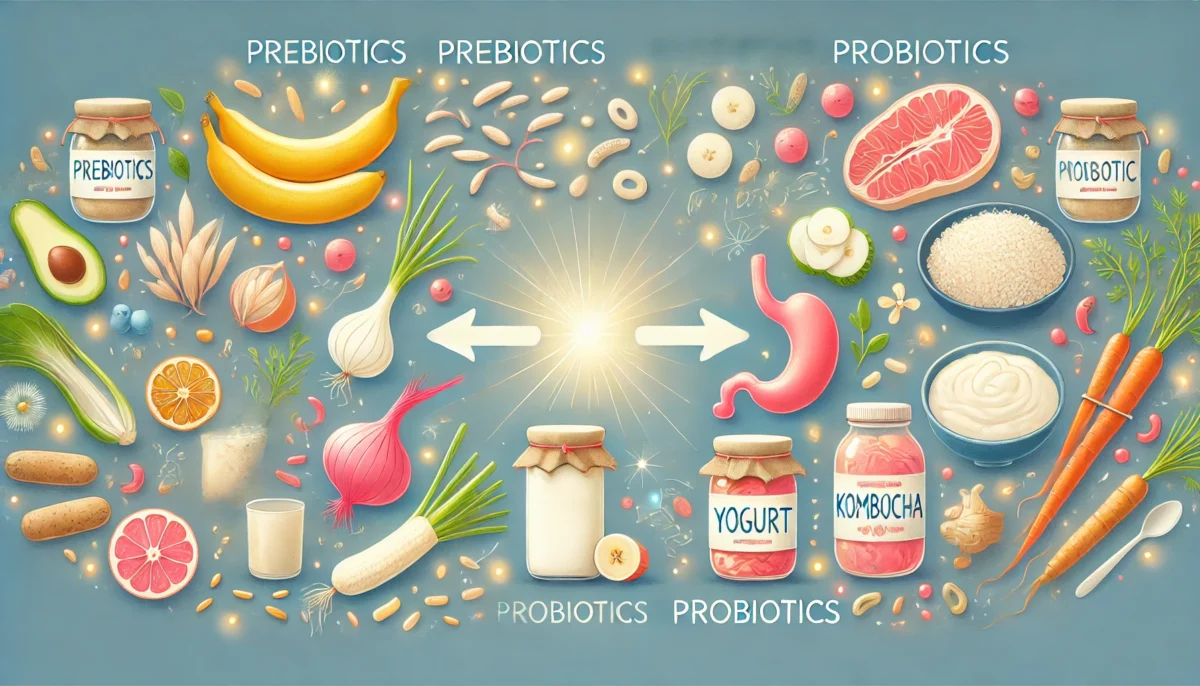
Probiotics are live microorganisms (like bacteria and yeast) that support a healthy gut microbiome. They’re found in fermented foods and supplements.

 Key Benefits

  • Improve digestion and nutrient absorption.
  • Boost immune function.
  • Reduce symptoms of IBS and bloating.

 Top Sources

  • Yogurt (with live cultures).
  • Kefir.
  • Sauerkraut.
  • Kimchi.
  • Probiotic supplements (e.g., Culturelle).

What Are Prebiotics?

 Food for Good Bacteria

Prebiotics are non-digestible fibers that feed the beneficial bacteria in your gut. Think of them as fertilizer for your microbiome.

 Key Benefits

  • Promote the growth of good bacteria.
  • Enhance calcium absorption for stronger bones.
  • Support weight management by improving satiety.

 Top Sources

  • Garlic.
  • Onions.
  • Bananas.
  • Asparagus.
  • Prebiotic supplements (e.g., Prebiotin).

Why You Need Both

 The Synergy Effect

  • Probiotics add good bacteria to your gut.
  • Prebiotics feed and sustain those bacteria.
  • Together, they create a balanced, thriving microbiome.

 Beyond the Gut

  • Mental Health: A healthy gut produces serotonin, the “feel-good” hormone.
  • Immunity70% of your immune system resides in your gut.
  • Skin Health: A balanced microbiome reduces acne and inflammation.

Signs Your Gut Needs Help

 Common Symptoms

  • Bloating, gas, or constipation.
  • Frequent infections or low immunity.
  • Mood swings or brain fog.
  • Skin issues like acne or eczema.

️ How to Fix It

  1. Eat Fermented Foods: Incorporate yogurt, kefir, or kombucha daily.
  2. Add Prebiotic-Rich Foods: Include garlic, onions, and bananas in meals.
  3. Consider Supplements: Use high-quality prebiotic and probiotic supplements.

Tools to Boost Your Gut Health

Tool Purpose Why It’s Useful
Seed Synbiotic Combines prebiotics + probiotics Designed for gut and overall health.
Gut Microbiome Test Analyzes gut bacteria Identifies imbalances and recommendations.
MyFitnessPal Tracks prebiotic-rich foods Helps you meet daily fiber goals.

Expert Insights: Gut Health Matters

“Your gut is your second brain. A healthy microbiome doesn’t just improve digestion—it impacts your mood, immunity, and even your skin.”
– Dr. Emeran Mayer, Author of The Mind-Gut Connection.

“Prebiotics and probiotics work best together. Think of them as a dynamic duo for your gut.”
– Dr. Mary Ellen Sanders, Executive Science Officer at ISAPP.


Real-Life Benefits of a Healthy Gut

1. Better Digestion

A balanced microbiome reduces bloating, gas, and irregularity.

2. Stronger Immunity

Good bacteria fight off harmful pathogens and infections.

3. Improved Mental Health

A healthy gut produces neurotransmitters like serotonin, boosting mood.

See also The Mental Health Benefits of Nature: Why You Need More Green Time


The Bottom Line

Prebiotics and probiotics are two sides of the same coin—both are essential for a healthy gut. By incorporating both into your diet, you’ll not only improve digestion but also boost immunity, mood, and overall well-being. So, feed your gut what it craves: a mix of good bacteria and the fuel to keep them thriving.

The Mental Health Benefits of Nature: Why You Need More Green Time

In our fast-paced, screen-dominated lives, nature often takes a backseat. But stepping outside isn’t just a luxury—it’s a necessity for mental well-being. A 2024 study by the University of Exeter found that spending just 20 minutes in nature reduces stress, boosts mood, and improves focus. Whether it’s a walk in the park or a weekend hike, reconnecting with the outdoors can transform your mental health. Here’s why nature is your best therapist—and how to make it part of your routine.


The Science Behind Nature’s Healing Power

 What Happens When You Go Outside

  • Stress Reduction: Nature lowers cortisol levels by up to 21%.
  • Mood Boost: Exposure to green spaces increases serotonin, the “feel-good” hormone.
  • Improved Focus: Time in nature restores attention and reduces mental fatigue.

 Long-Term Benefits

  • Reduced Anxiety and Depression: Regular nature exposure cuts symptoms by 30%.
  • Better Sleep: Natural light regulates your circadian rhythm.
  • Enhanced Creativity: Nature walks spark new ideas and problem-solving skills.

Why Modern Life Disconnects Us from Nature

 Screen Overload

  • The average person spends 7+ hours daily on screens (Statista, 2024).
  • Constant digital stimulation leads to stress and burnout.

️ Urban Living

  • City dwellers have 40% less access to green spaces.
  • Noise and pollution increase anxiety and fatigue.

How to Reconnect with Nature

 Simple Ways to Get Outside

  1. Daily Walks: Aim for 20–30 minutes in a park or garden.
  2. Weekend Adventures: Explore hiking trails, beaches, or forests.
  3. Green Commutes: Walk or bike through green areas to work or school.

 Bring Nature Indoors

  • Houseplants: Improve air quality and reduce stress.
  • Nature Sounds: Use apps like Calm to play forest or ocean sounds.
  • Natural Light: Open curtains and spend time near windows.

Tools to Enhance Your Nature Experience

Tool Purpose Why It’s Useful
AllTrails Find hiking trails Discover nearby green spaces.
PlantSnap Identify plants and trees Learn about nature while exploring.
NatureDose Track time outdoors Set goals and monitor benefits.

Expert Insights: Nature’s Impact on Mental Health

“Nature is not a luxury; it’s a fundamental human need. Even small doses can have profound effects on mental health.”
– Dr. Qing Li, Author of Forest Bathing: How Trees Can Help You Find Health and Happiness.

“Spending time in nature resets our overstimulated brains, helping us feel calmer and more focused.”
– Dr. Rachel Kaplan, Environmental Psychologist.


Real-Life Benefits of Green Time

1. Stress Relief

A study in Frontiers in Psychology found that 90% of participants felt less stressed after a nature walk.

2. Improved Relationships

Outdoor activities foster bonding and communication.

3. Enhanced Creativity

Nature walks increase creative problem-solving by 50% (University of Utah).

See also Why Hydration Is Your Secret Weapon for Better Health


The Bottom Line

Nature is a powerful, free, and accessible tool for mental well-being. Whether it’s a stroll in the park or a weekend in the woods, make time to reconnect with the outdoors. Your mind—and body—will thank you.

Why Hydration Is Your Secret Weapon for Better Health

Water is life—literally. Yet, many of us underestimate its power. A 2024 study by the European Hydration Institute found that 75% of adults are chronically dehydrated, leading to fatigue, poor focus, and even long-term health issues. Whether you’re an athlete, a desk worker, or a busy parent, staying hydrated is one of the simplest ways to boost your health. Here’s why hydration matters and how to make it a daily habit.


The Science of Hydration

� What Happens When You’re Dehydrated

  • 1% dehydration: Reduced focus and mood swings.
  • 3% dehydration: Impaired physical performance and headaches.
  • 5% dehydration: Risk of heatstroke and kidney strain.

 Why Water Works

  • Brain Boost: Hydration improves memory, focus, and decision-making.
  • Energy Lift: Water helps convert food into energy.
  • Detox Power: It flushes toxins and supports kidney function.

Signs You’re Not Drinking Enough

 Common Symptoms

  • Dark yellow urine.
  • Dry skin and lips.
  • Constant fatigue or brain fog.
  • Frequent headaches.

 Long-Term Risks

  • Kidney stones.
  • Urinary tract infections (UTIs).
  • Chronic fatigue and joint pain.

How Much Water Do You Really Need?

 The 8×8 Myth

The old “8 glasses a day” rule isn’t one-size-fits-all. Your needs depend on:

  • Body size: Larger people need more water.
  • Activity level: Sweat more? Drink more.
  • Climate: Hot or dry weather increases hydration needs.

 A Better Formula

  • Weight-Based: Drink 30–35 ml of water per kilogram of body weight.
    Example: A 70 kg person needs ~2.1–2.5 liters daily.
  • Activity Adjustment: Add 500 ml for every 30 minutes of exercise.

Tips to Stay Hydrated

 Make It Easy

  1. Carry a Reusable Bottle: Aim for a 1–2 liter bottle to track intake.
  2. Set Reminders: Use apps like WaterMinder or phone alarms.
  3. Infuse Your Water: Add lemon, cucumber, or mint for flavor.

 Eat Your Water

  • Fruits: Watermelon, oranges, and strawberries are >90% water.
  • Veggies: Cucumber, celery, and lettuce are hydrating snacks.

☕ Balance with Caffeine

  • Coffee and tea count toward hydration but can be dehydrating in excess.
  • For every cup of coffee, drink an extra glass of water.

Tools to Track Your Hydration

Tool Purpose Why It’s Useful
Hydro Flask Insulated water bottle Keeps water cold for hours.
MyWater Hydration tracker app Logs intake and sends reminders.
Smart Bottles Track sips and intake Syncs with apps for real-time updates.

Expert Insights: Hydration for Health

“Even mild dehydration can impair cognitive function and mood. Drinking enough water is the simplest way to boost brainpower.”
– Dr. Harris Lieberman, Hydration Researcher at the U.S. Army Research Institute.

“Hydration isn’t just about water—it’s about electrolytes too. Balance is key.”
– Dr. Stacy Sims, Exercise Physiologist and Author of Roar.


Real-Life Benefits of Staying Hydrated

1. Glowing Skin

Hydration plumps skin cells, reducing wrinkles and dryness.

2. Better Workouts

Water regulates body temperature and prevents cramps.

3. Improved Digestion

It keeps your digestive system running smoothly.

See also The Hidden Dangers of Sitting Too Much


The Bottom Line

Hydration is a small habit with big rewards. By drinking enough water, you’ll feel more energized, focused, and healthy. So, grab that water bottle and start sipping—your body will thank you.