
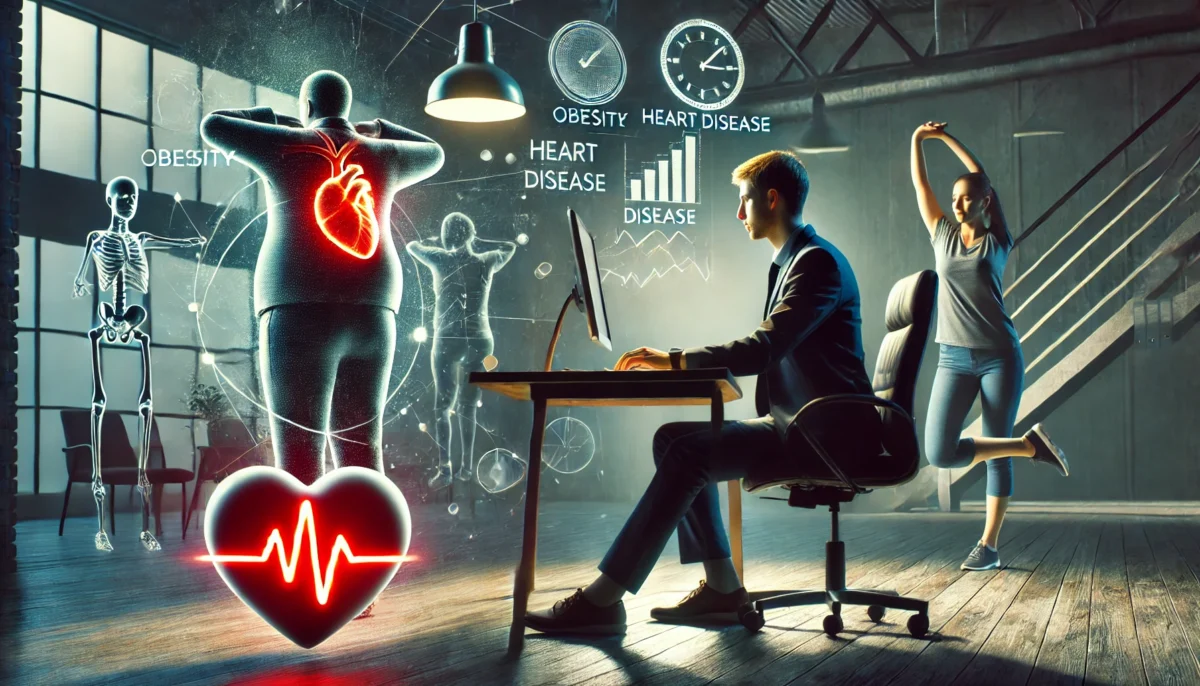
The Hidden Dangers of Sitting Too Much

In today’s digital age, many of us spend hours glued to chairs—whether at desks, in cars, or on couches. But this sedentary lifestyle is more than just a bad habit; it’s a silent killer. A 2024 study by the World Health Organization (WHO) found that 1 in 4 adults sits for more than 8 hours a day, increasing their risk of chronic diseases and early death. Here’s why sitting is the new smoking—and how to break free from its grip.


The Health Risks of Prolonged Sitting

 By the Numbers

  • 60% higher risk of heart disease for those who sit >6 hours daily (American Heart Association).
  • 30% increased likelihood of developing type 2 diabetes.
  • 2x greater risk of anxiety and depression among sedentary individuals.

 Cognitive Decline

Sitting for long periods reduces blood flow to the brain, impairing focus, memory, and creativity.

 Premature Aging

Telomeres (protective caps on DNA) shorten faster in sedentary people, accelerating aging at the cellular level.


Why Sitting Is So Harmful

1. Metabolic Slowdown

Sitting for hours slows your metabolism, leading to weight gain and insulin resistance.

2. Muscle Degeneration

Inactivity weakens muscles, especially in the core and legs, increasing the risk of injuries and poor posture.

3. Poor Circulation

Sitting compresses blood vessels, raising the risk of blood clots and varicose veins.


How to Combat the Sitting Epidemic

 Desk Job Fixes

  1. Stand Up Every Hour: Set a timer or use apps like Stand Up! to remind you.
  2. Try a Standing Desk: Alternate between sitting and standing throughout the day.
  3. Stretch at Your Desk: Simple moves like shoulder rolls and seated leg lifts can help.

 Daily Movement Goals

  • 10,000 Steps: Use a pedometer or fitness tracker to stay on track.
  • 30 Minutes of Exercise: Walking, cycling, or yoga can counteract sitting’s effects.

 At-Home Solutions

  • TV Workouts: Do squats or lunges during commercials.
  • Active Hobbies: Gardening, dancing, or playing with kids/pets keeps you moving.

Tools to Stay Active

Tool Purpose Why It’s Useful
Fitbit Activity tracker Tracks steps, heart rate, and calories.
MyFitnessPal Exercise and diet log Helps you set and achieve fitness goals.
7-Minute Workout Quick, effective routines Perfect for busy schedules.

Expert Insights: Moving for Health

“Sitting is more dangerous than smoking, kills more people than HIV, and is more treacherous than parachuting. We are sitting ourselves to death.”
– Dr. James Levine, Director of the Mayo Clinic-Arizona State University Obesity Solutions Initiative.

“Even small bursts of activity—like walking to the printer or taking the stairs—can make a big difference.”
– Dr. Michelle Segar, Motivation Scientist and Author of No Sweat.


Real-Life Benefits of Moving More

1. Improved Mood

Physical activity releases endorphins, reducing stress and boosting happiness.

2. Better Posture

Regular movement strengthens core muscles, reducing back and neck pain.

3. Enhanced Productivity

Active breaks improve focus and creativity, making you more efficient at work.

See also The Power of Sleep: Why Adequate Rest Is Non-Negotiable for Health and Success


The Bottom Line

Sitting too much is a modern-day health crisis, but the solution is simple: move more. By incorporating small changes into your daily routine, you can counteract the dangers of a sedentary lifestyle and enjoy a longer, healthier, and more vibrant life.
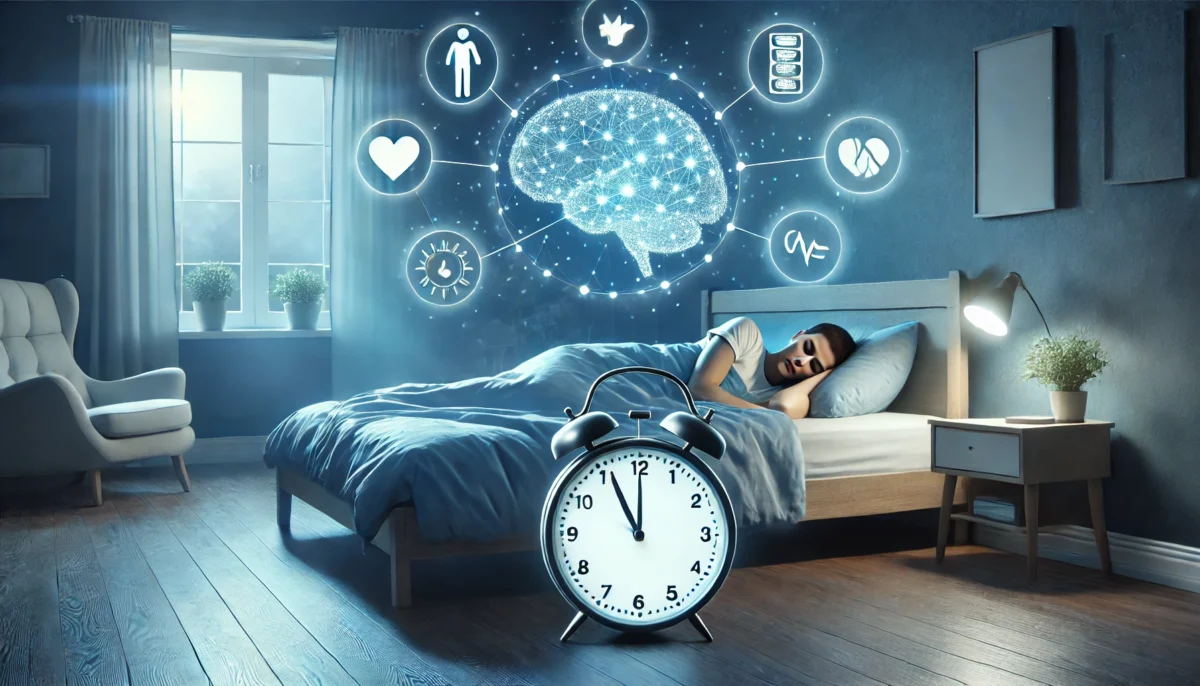
The Power of Sleep: Why Adequate Rest Is Non-Negotiable for Health and Success

In a world that glorifies hustle culture, sleep is often sacrificed at the altar of productivity. But skimping on shut-eye isn’t a badge of honor—it’s a health hazard. A 2024 study by the National Sleep Foundation reveals that 1 in 3 adults fails to get the recommended 7–9 hours of sleep nightly, leading to a cascade of physical, mental, and emotional consequences. Here’s why prioritizing sleep is essential—and how to reclaim your rest.


The Science of Sleep: What Happens When You Rest

 Brain Reboot

During sleep, your brain:

  • Consolidates memories and learning.
  • Flushes out toxins linked to Alzheimer’s.
  • Regulates emotions, reducing stress and anxiety.

 Body Repair

Sleep is when your body:

  • Repairs muscles and tissues.
  • Boosts immune function.
  • Balances hormones like cortisol (stress) and leptin (hunger).

The High Cost of Sleep Deprivation

 By the Numbers

  • 40% higher risk of heart disease for those sleeping <6 hours nightly (American Heart Association).
  • 50% increased likelihood of obesity due to disrupted hunger hormones.
  • $411 billion lost annually in the U.S. due to sleep-deprived workers (Rand Corporation).

 Cognitive Consequences

  • Memory lapses: Sleep deprivation impairs recall and learning.
  • Poor decision-making: Tired brains are more prone to errors.
  • Mood swings: Lack of sleep fuels irritability and depression.

Common Sleep Saboteurs

1. Blue Light Overload

Screens emit blue light, which suppresses melatonin, the sleep hormone.

Fix It:

  • Use apps like f.lux or enable Night Mode on devices.
  • Avoid screens 1–2 hours before bed.

2. Caffeine and Late-Night Eating

Caffeine stays in your system for 6–8 hours, while heavy meals disrupt digestion.

Fix It:

  • Cut off caffeine by 2 PM.
  • Opt for light snacks like bananas or almonds if hungry at night.

3. Stress and Overthinking

Racing thoughts keep you awake, creating a vicious cycle of sleeplessness.

Fix It:

  • Practice mindfulness with apps like Calm or Headspace.
  • Write down worries before bed to clear your mind.

How to Build a Sleep-Friendly Routine

 Nighttime Rituals

  1. Set a Schedule: Go to bed and wake up at the same time daily.
  2. Create a Sleep Sanctuary: Keep your room cool, dark, and quiet.
  3. Wind Down: Try reading, stretching, or listening to calming music.

☀️ Daytime Habits

  • Get Sunlight: Morning light regulates your circadian rhythm.
  • Exercise Regularly: Physical activity improves sleep quality—just avoid intense workouts before bed.
  • Limit Naps: Keep naps under 20 minutes to avoid grogginess.

Tools to Optimize Your Sleep

Tool Purpose Why It’s Useful
Sleep Cycle Smart alarm clock Wakes you during light sleep phases.
White Noise Machines Block disruptive sounds Ideal for light sleepers or noisy areas.
Oura Ring Sleep tracker Monitors sleep stages and offers insights.

Expert Insights: Why Sleep Matters

“Sleep is the single most effective thing you can do to reset your brain and body health.”
– Matthew Walker, Neuroscientist and Author of Why We Sleep.

“Chronic sleep deprivation is like driving with a blood alcohol level of 0.08%—it’s dangerous and unsustainable.”
– Dr. Rebecca Robbins, Sleep Researcher at Harvard Medical School.


Real-Life Benefits of Better Sleep

1. Improved Productivity

A well-rested brain is 30% more efficient at problem-solving and decision-making.

2. Enhanced Mood

Adequate sleep reduces anxiety and depression symptoms by 40%.

3. Stronger Immunity

Sleeping 7+ hours nightly cuts your risk of catching a cold by 50%.


The Bottom Line

Sleep isn’t a luxury—it’s a biological necessity. By prioritizing rest, you’re not just avoiding health risks; you’re unlocking your full potential. So, tonight, put down your phone, dim the lights, and give your body the gift of sleep. Your future self will thank you.