

Sunlight for Health: How to Get It Right

Sunlight is more than just a mood booster—it’s essential for health. From vitamin D production to better sleep, the sun plays a key role in keeping our bodies and minds in balance. Yet, many of us aren’t getting enough. A 2024 study by the World Health Organization (WHO) found that 1 in 3 people worldwide are vitamin D deficient, largely due to inadequate sun exposure. Here’s how to harness sunlight—safely and effectively—for optimal health.


Why Sunlight Matters

 The Science of Sunlight

  • Vitamin D Production: Sunlight triggers your skin to produce vitamin D, essential for bone health, immunity, and mood.
  • Circadian Rhythm: Natural light regulates your sleep-wake cycle, improving sleep quality.
  • Mood Boost: Sunlight increases serotonin, reducing stress and anxiety.

 Risks of Too Little Sunlight

  • Vitamin D Deficiency: Linked to weak bones, fatigue, and depression.
  • Sleep Issues: Poor light exposure disrupts melatonin production.
  • Seasonal Affective Disorder (SAD): Low sunlight in winter can trigger depression.

How Much Sunlight Do You Need?

☀️ General Guidelines

  • Fair Skin: 10–15 minutes of midday sun, 2–3 times a week.
  • Darker Skin: 30 minutes to 2 hours, depending on melanin levels.
  • Winter Months: Longer exposure or consider vitamin D supplements.

️ Balancing Act

While sunlight is essential, overexposure can lead to sunburn and skin damage. The key is moderation and protection.


Tips for Safe Sun Exposure

 Timing Is Everything

  • Morning Sun: Gentle and effective for regulating circadian rhythm.
  • Midday Sun: Best for vitamin D production (10 AM–3 PM).

 Protect Your Skin

  • Use sunscreen with SPF 30+ after the initial 10–15 minutes of exposure.
  • Wear hats and sunglasses to shield your face and eyes.

 Maximize Indoor Light

  • Open curtains and blinds to let natural light in.
  • Sit near windows during the day, especially in winter.

Tools to Optimize Sunlight Exposure

Tool Purpose Why It’s Useful
Dminder App Tracks sun exposure and vitamin D Helps you get the right amount of sun.
Light Therapy Lamps Mimics natural sunlight Ideal for winter or low-light areas.
UV Index Apps Monitors UV levels Alerts you to safe sun exposure times.

Expert Insights: Sunlight and Health

“Sunlight is nature’s best medicine. It’s free, accessible, and essential for physical and mental well-being.”
– Dr. Michael Holick, Vitamin D Researcher and Author of The Vitamin D Solution.

“Balance is key. Enjoy the sun responsibly to reap its benefits without risking harm.”
– Dr. Adele Green, Dermatologist and Sun Exposure Expert.


Real-Life Benefits of Optimal Sunlight

1. Stronger Bones

Vitamin D helps your body absorb calcium, reducing the risk of osteoporosis.

2. Better Sleep

Natural light regulates melatonin, improving sleep quality and energy levels.

3. Happier Mood

Sunlight boosts serotonin, reducing stress and preventing seasonal depression.

See also Prebiotics vs. Probiotics: What’s the Difference and Why You Need Both


The Bottom Line

Sunlight is a powerful, natural tool for health—but like anything, it’s all about balance. By getting the right amount of sun, you can boost your vitamin D levels, improve your mood, and sleep better. So, step outside, soak up some rays (safely!), and let the sun work its magic.
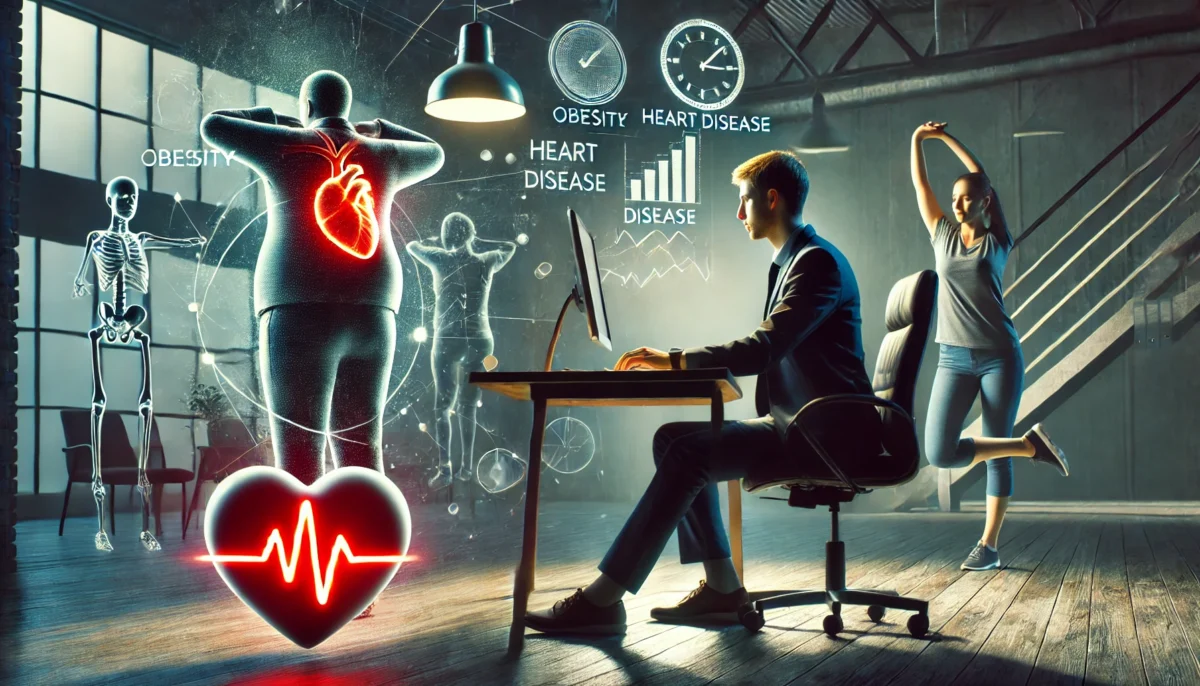
The Hidden Dangers of Sitting Too Much

In today’s digital age, many of us spend hours glued to chairs—whether at desks, in cars, or on couches. But this sedentary lifestyle is more than just a bad habit; it’s a silent killer. A 2024 study by the World Health Organization (WHO) found that 1 in 4 adults sits for more than 8 hours a day, increasing their risk of chronic diseases and early death. Here’s why sitting is the new smoking—and how to break free from its grip.


The Health Risks of Prolonged Sitting

 By the Numbers

  • 60% higher risk of heart disease for those who sit >6 hours daily (American Heart Association).
  • 30% increased likelihood of developing type 2 diabetes.
  • 2x greater risk of anxiety and depression among sedentary individuals.

 Cognitive Decline

Sitting for long periods reduces blood flow to the brain, impairing focus, memory, and creativity.

 Premature Aging

Telomeres (protective caps on DNA) shorten faster in sedentary people, accelerating aging at the cellular level.


Why Sitting Is So Harmful

1. Metabolic Slowdown

Sitting for hours slows your metabolism, leading to weight gain and insulin resistance.

2. Muscle Degeneration

Inactivity weakens muscles, especially in the core and legs, increasing the risk of injuries and poor posture.

3. Poor Circulation

Sitting compresses blood vessels, raising the risk of blood clots and varicose veins.


How to Combat the Sitting Epidemic

 Desk Job Fixes

  1. Stand Up Every Hour: Set a timer or use apps like Stand Up! to remind you.
  2. Try a Standing Desk: Alternate between sitting and standing throughout the day.
  3. Stretch at Your Desk: Simple moves like shoulder rolls and seated leg lifts can help.

 Daily Movement Goals

  • 10,000 Steps: Use a pedometer or fitness tracker to stay on track.
  • 30 Minutes of Exercise: Walking, cycling, or yoga can counteract sitting’s effects.

 At-Home Solutions

  • TV Workouts: Do squats or lunges during commercials.
  • Active Hobbies: Gardening, dancing, or playing with kids/pets keeps you moving.

Tools to Stay Active

Tool Purpose Why It’s Useful
Fitbit Activity tracker Tracks steps, heart rate, and calories.
MyFitnessPal Exercise and diet log Helps you set and achieve fitness goals.
7-Minute Workout Quick, effective routines Perfect for busy schedules.

Expert Insights: Moving for Health

“Sitting is more dangerous than smoking, kills more people than HIV, and is more treacherous than parachuting. We are sitting ourselves to death.”
– Dr. James Levine, Director of the Mayo Clinic-Arizona State University Obesity Solutions Initiative.

“Even small bursts of activity—like walking to the printer or taking the stairs—can make a big difference.”
– Dr. Michelle Segar, Motivation Scientist and Author of No Sweat.


Real-Life Benefits of Moving More

1. Improved Mood

Physical activity releases endorphins, reducing stress and boosting happiness.

2. Better Posture

Regular movement strengthens core muscles, reducing back and neck pain.

3. Enhanced Productivity

Active breaks improve focus and creativity, making you more efficient at work.

See also The Power of Sleep: Why Adequate Rest Is Non-Negotiable for Health and Success


The Bottom Line

Sitting too much is a modern-day health crisis, but the solution is simple: move more. By incorporating small changes into your daily routine, you can counteract the dangers of a sedentary lifestyle and enjoy a longer, healthier, and more vibrant life.