The Hidden Dangers of Microplastics: Unraveling Their Harmful Effects on Our Health and Environment

In a world where convenience often trumps caution, a silent invader is making its mark—microplastics. These minuscule fragments, less than five millimeters in size, have infiltrated our oceans, rivers, and even the air we breathe. But their impact extends far beyond the aesthetic pollution of our natural landscapes; they pose hidden dangers to both our health and the environment. From disrupting marine ecosystems to potentially altering human biology in ways we’re only beginning to understand, microplastics are a ticking time bomb that demands our attention. Join us as we unravel the harmful effects of these tiny terrors and explore what we can do to combat their pervasive presence before it’s too late!

Introduction to Microplastics: What are they and where do they come from?

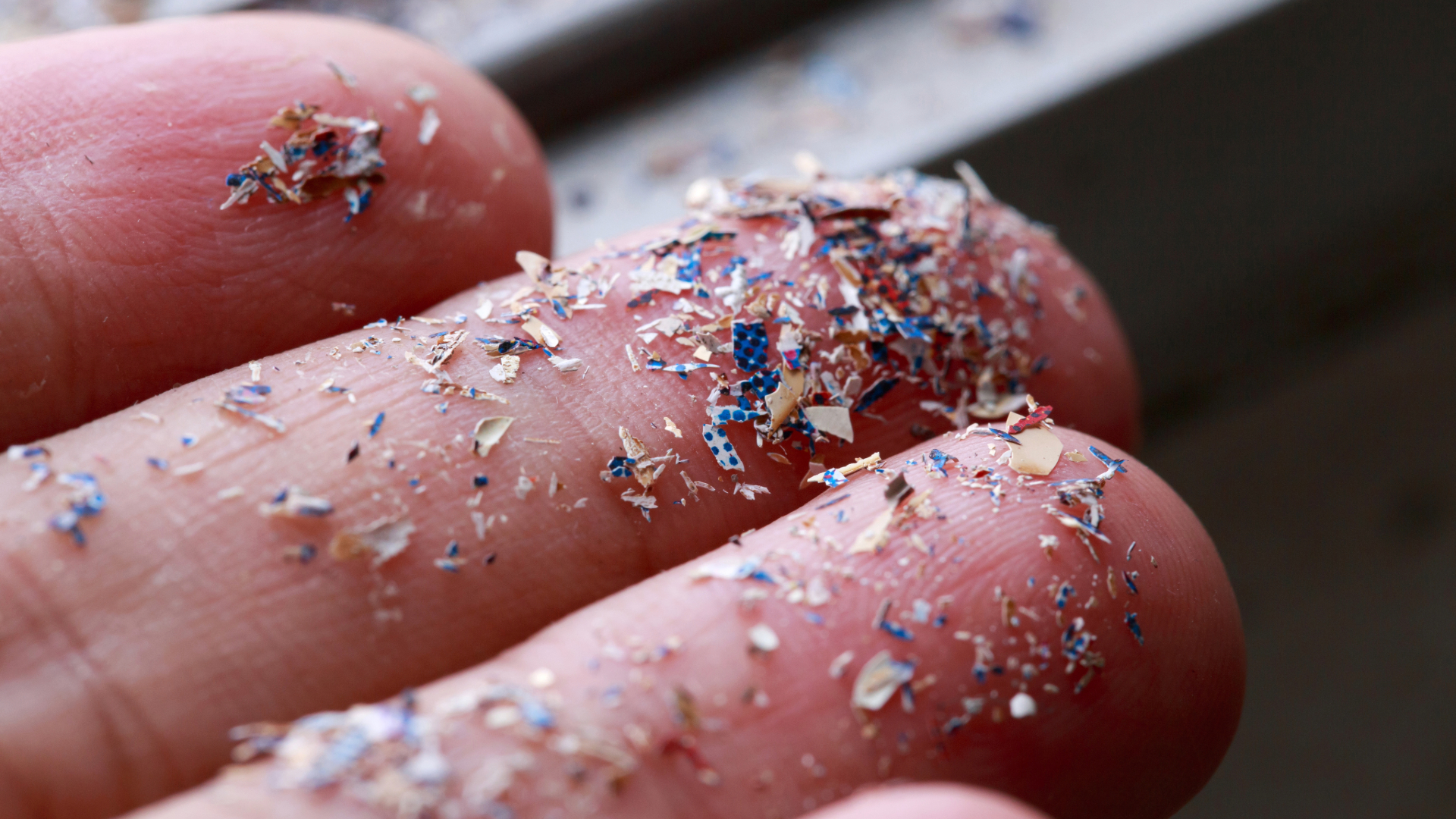
Microplastics are the tiny, often invisible remnants of our consumer culture. These minuscule plastic particles, less than five millimeters in size, have infiltrated every corner of our planet—from the deepest ocean trenches to remote mountain peaks. But what exactly are microplastics? They come from a variety of sources, including the breakdown of larger plastic debris and synthetic fibers shed by clothing during washing cycles. As we go about our daily lives, these persistent pollutants silently accumulate around us.

As awareness grows about their presence in our environment and bodies, it’s essential to understand how microplastics impact both human health and ecological systems. The more we learn about these hidden dangers, the clearer it becomes that they pose serious risks not only to marine life but also to land animals and ecosystems overall. With so much at stake for future generations, it’s time we explore this pressing issue with urgency and take action against it together.

The Impact of Microplastics on Our Environment: Effects on marine life, land animals, and ecosystems.

Microplastics have permeated every corner of our planet. These tiny particles, often less than five millimeters in size, pose severe threats to marine life. Fish and other sea creatures mistake microplastics for food, leading to ingestion that can disrupt their digestive systems.

Land animals are not immune either. Wildlife encounters littered plastics during foraging or nesting activities. The consequences can range from malnutrition to death.

Ecosystems suffer as well. Microplastics accumulate in soil and waterways, altering habitats essential for plant growth. This disruption can lead to a decline in biodiversity, affecting the balance of entire ecosystems.

As these materials persist in nature for decades or longer, their impact compounds over time. Every piece contributes to a cascade of environmental challenges that wildlife struggles against daily.

The Health Risks of Microplastics: How microplastics can enter our bodies and potential health effects.

Microplastics are tiny particles, often less than 5mm in size, that can easily infiltrate our bodies. They enter through various pathways, primarily ingestion and inhalation.

Food and water are common sources of exposure. Seafood is particularly concerning since marine organisms accumulate microplastics during their lifespan. As we consume these animals, the harmful particles make their way into our systems.

Inhalation presents another risk. Dust from synthetic materials—like clothing or furniture—can release microplastic fibers into the air we breathe.

Once inside our bodies, the potential health effects remain largely unknown but alarming studies suggest inflammation and cellular damage may occur. Some research links microplastic exposure to hormonal disruptions and immune system challenges.

The full extent of their impact on human health is still unfolding as scientists work diligently to understand these insidious pollutants better. The urgency for further investigation grows with each finding.

Sources of Exposure to Microplastics: From food and water to beauty products and household items.

Microplastics infiltrate our lives in ways we might not even realize. One of the primary sources is our food. Seafood, for instance, often contains microplastics due to ocean pollution. When fish consume these tiny particles, they end up on our plates.

Water isn’t immune either. Studies reveal that drinking water—both bottled and tap—can carry microplastic contaminants. Every sip could be a step closer to internal exposure.

Beauty products also pose a risk. Items like scrubs and exfoliants frequently contain microbeads made from plastic, which wash down the drain and enter waterways.

Household items contribute as well. Synthetic fabrics shed fibers when washed, releasing thousands of microplastics into laundry water with each cycle.

Each source adds another layer to this complex issue, making awareness essential in addressing potential harm from these pervasive materials.

Ways to Reduce Your Exposure to Microplastics: Practical tips for minimizing your use and exposure to microplastics.

Reducing your exposure to microplastics starts with small changes in daily habits. Opt for glass or stainless steel containers instead of plastic ones. These materials are safer and more sustainable.

When shopping, choose products that come in minimal packaging. Bulk bins are a great option for grains, nuts, and spices. This helps cut down on unnecessary plastic waste.

Be mindful of the personal care items you use. Many beauty products contain microbeads, tiny pieces of plastic that can wash into our waterways. Look for natural alternatives without these harmful ingredients.

Washing clothes releases microfibers into the water system. Use a microfiber filter in your laundry machine or consider washing less frequently to limit shedding.

Lastly, stay informed about local environmental policies regarding plastics and support initiatives aimed at reducing pollution. Your voice matters in creating change within communities and industries alike.

The Role of Government and Corporations in Addressing the Issue: Current efforts being made to regulate microplastic use and production.

Governments around the world are beginning to recognize the urgency of tackling microplastic pollution. Many countries have initiated regulations aimed at reducing plastic waste and limiting microplastic production. The European Union, for instance, is taking a proactive stance by proposing legislation that bans certain single-use plastics.

Corporations also play a crucial role in this fight. Some companies are committing to eliminate microplastics from their products altogether. They’re exploring alternative materials and innovative packaging solutions that do not contribute to environmental degradation.

Moreover, collaboration between governments and businesses is becoming increasingly common. Joint initiatives aim to raise awareness about the hazards of microplastics while promoting sustainable practices across industries.

Research funding is another area where both entities are focusing efforts. By investing in studies on the impacts of microplastics, they can better inform policy decisions and consumer choices moving forward.

What Can We Do About It?: Individual actions we can take to help reduce

Addressing the issue of microplastics requires collective action, but individual efforts can make a significant impact. Start by being mindful of your purchases. Opt for products with minimal packaging and choose alternatives made from natural materials whenever possible. This small shift in consumer behavior can reduce demand for plastic.

Educate yourself and others about the dangers of microplastics. Share information with friends and family to create awareness within your community. The more people know, the more pressure there will be on corporations to change their practices.

Consider using reusable bags, bottles, and containers to cut down on single-use plastics. These simple substitutions not only reduce plastic waste but also encourage a mindset that prioritizes sustainability.

When it comes to personal care products, check labels carefully. Many beauty items contain microbeads—tiny pieces of plastic used as exfoliants or fillers—that wash into waterways during use. Look for natural scrubs or those labeled as ‘microplastic-free.’

Another avenue is participating in local clean-up initiatives at beaches or parks where litter may contribute to microplastic pollution. Getting involved helps remove existing debris while fostering a sense of community responsibility toward our environment.

Lastly, consider supporting policies aimed at reducing plastic production and improving waste management systems in your area. Your voice matters; advocating for change can help spur government action against harmful practices affecting our planet’s health.

By taking these steps individually, we pave the way towards a cleaner future free from the hidden dangers posed by microplastics.
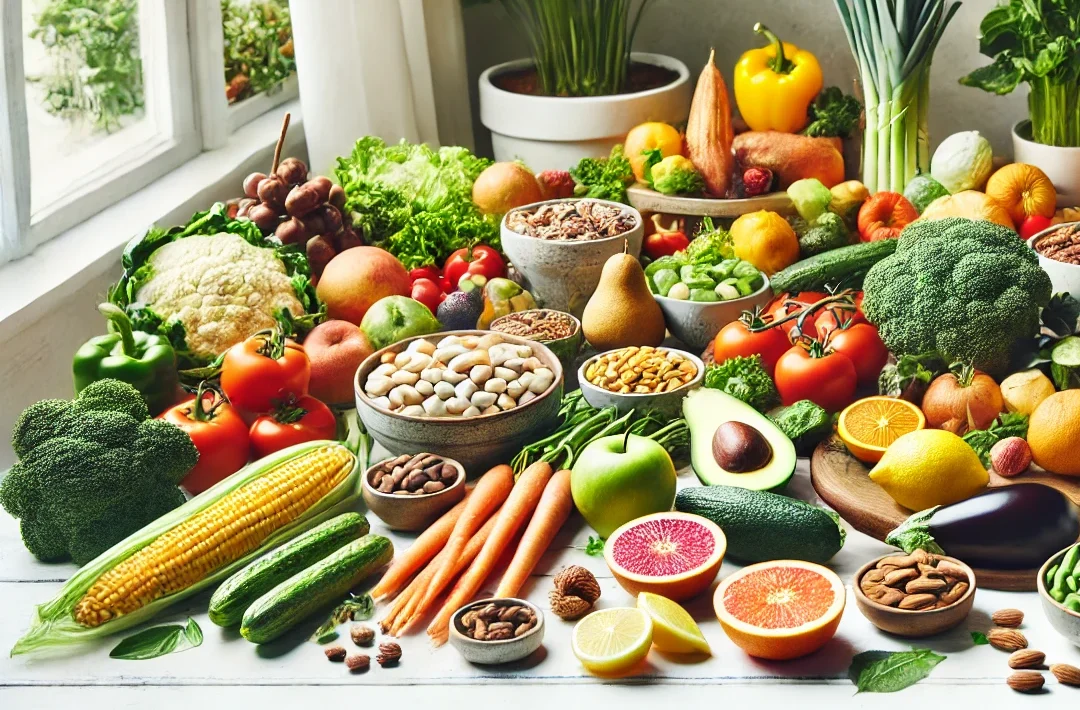

The Power of Plant-Based Eating: How a Plant-Focused Diet Can Transform Your Health

Plant-based eating is more than just a trend—it’s a science-backed way to improve your health, protect the planet, and feel your best. A 2024 study by Harvard Medical School found that people who follow a plant-based diet have a 25% lower risk of heart disease, 15% lower risk of diabetes, and even live longer. Whether you’re going fully vegan or simply adding more plants to your plate, here’s how a plant-focused diet can transform your health—and how to get started.


Why Plant-Based Eating Works

 The Science Behind It

  • Nutrient Density: Plants are packed with vitamins, minerals, and antioxidants that fight inflammation and disease.
  • Fiber Power: Plant-based diets are rich in fiber, which supports digestion, gut health, and weight management.
  • Lower Cholesterol: Plants are naturally cholesterol-free and low in saturated fats, reducing heart disease risk.

 The Cost of a Meat-Heavy Diet

  • Heart Disease: High intake of red and processed meats is linked to higher cholesterol and blood pressure.
  • Diabetes Risk: Diets high in animal fats can lead to insulin resistance.
  • Environmental Impact: Meat production contributes significantly to greenhouse gas emissions and deforestation.

Health Benefits of a Plant-Based Diet

❤️ Heart Health

  • Lowers LDL (“bad”) cholesterol and blood pressure.
  • Reduces inflammation, a key driver of heart disease.

 Diabetes Prevention

  • Improves insulin sensitivity and blood sugar control.
  • Helps maintain a healthy weight, a key factor in diabetes prevention.

 Brain Health

  • Antioxidants in plants protect brain cells from damage.
  • Omega-3s from sources like flaxseeds and walnuts support cognitive function.

 Gut Health

  • Fiber feeds beneficial gut bacteria, improving digestion and immunity.
  • Reduces the risk of conditions like irritable bowel syndrome (IBS).

How to Transition to a Plant-Based Diet

 Start Small

  1. Meatless Mondays: Dedicate one day a week to plant-based meals.
  2. Swap Ingredients: Replace meat with beans, lentils, or tofu in your favorite recipes.
  3. Add, Don’t Subtract: Focus on adding more fruits, veggies, and whole grains rather than cutting out foods.

️ Build Balanced Meals

  • Protein: Beans, lentils, chickpeas, tofu, tempeh, and edamame.
  • Healthy Fats: Avocados, nuts, seeds, and olive oil.
  • Whole Grains: Quinoa, brown rice, oats, and whole-wheat bread.
  • Fruits and Veggies: Aim for a rainbow of colors to maximize nutrient intake.

 Stock Your Pantry

  • Canned Goods: Beans, lentils, and diced tomatoes.
  • Whole Grains: Quinoa, brown rice, and whole-wheat pasta.
  • Spices and Herbs: Turmeric, cumin, garlic powder, and fresh herbs for flavor.

Tools to Support Your Plant-Based Journey

Tool Purpose Why It’s Useful
Forks Over Knives Recipes and meal plans Great for beginners and seasoned plant-based eaters.
Cronometer Nutrient tracking Ensures you’re meeting your nutritional needs.
HappyCow Find plant-based restaurants Helps you dine out while staying on track.

Expert Insights: The Benefits of Plant-Based Eating

“A plant-based diet is one of the most powerful tools we have for preventing chronic diseases and promoting longevity.”
– Dr. Michael Greger, Author of How Not to Die.

“You don’t have to go fully vegan to reap the benefits. Even small shifts toward plant-based eating can make a big difference.”
– Dr. Neal Barnard, President of the Physicians Committee for Responsible Medicine.


Real-Life Benefits of Plant-Based Eating

1. Weight Management

Plant-based diets are naturally lower in calories and higher in fiber, helping you feel full longer.

2. Improved Energy

Nutrient-dense foods provide sustained energy without the crashes.

3. Clearer Skin

Antioxidants and hydration from fruits and veggies promote healthy, glowing skin.

See also The Science of Happiness: How to Cultivate Joy in Everyday Life 


The Bottom Line

A plant-based diet isn’t just good for you—it’s good for the planet. By incorporating more plants into your meals, you can improve your health, reduce your environmental footprint, and discover a world of delicious, nutritious foods. Start small, experiment with new recipes, and enjoy the journey to better health.

The Science of Happiness: How to Cultivate Joy in Everyday Life

Happiness isn’t just a fleeting emotion—it’s a skill you can develop. Research shows that 40% of happiness is within your control, influenced by your habits, mindset, and actions. A 2024 study by the University of California, Berkeley, found that people who practice intentional habits like gratitude and mindfulness are 25% happier than those who don’t. Here’s how to cultivate joy and build a happier, more fulfilling life.


What Is Happiness?

 The Science Behind It

  • Happiness Chemicals: Dopamine, serotonin, oxytocin, and endorphins drive feelings of joy and well-being.
  • Set Point Theory: 50% of happiness is genetic, 10% is circumstantial, and 40% is within your control.
  • Hedonic Adaptation: Humans quickly adapt to new pleasures, making sustained happiness a practice, not a destination.

 The Cost of Unhappiness

  • Mental Health: Chronic unhappiness increases the risk of depression and anxiety.
  • Physical Health: Stress from unhappiness weakens immunity and raises the risk of heart disease.
  • Relationships: Negative emotions can strain personal and professional connections.

How to Cultivate Happiness

 Daily Habits for Joy

  1. Practice Gratitude:
    • Write down 3 things you’re grateful for each day.
    • Use apps like Gratitude to track your progress.
  2. Mindfulness and Meditation:
    • Spend 5–10 minutes daily focusing on your breath or surroundings.
    • Try guided meditations on Headspace or Calm.
  3. Acts of Kindness:
    • Help someone in need, even in small ways.
    • Research shows kindness boosts your mood and creates a ripple effect.
  4. Physical Activity:
    • Exercise releases endorphins, the “feel-good” hormones.
    • Aim for 30 minutes of activity, 5 days a week.
  5. Connect with Others:
    • Spend quality time with loved ones.
    • Join communities or groups that share your interests.

Tools to Boost Happiness

Tool Purpose Why It’s Useful
Happify Science-based activities Tracks progress and offers personalized tips.
Daylio Mood tracking and journaling Helps identify patterns and triggers.
Insight Timer Free meditations Offers thousands of guided sessions for mindfulness.

Expert Insights: The Path to Happiness

“Happiness is not something ready-made. It comes from your own actions.”
– Dalai Lama, Spiritual Leader.

“The key to lasting happiness is focusing on what you can control—your habits, mindset, and relationships.”
– Dr. Sonja Lyubomirsky, Author of The How of Happiness.


Real-Life Benefits of Cultivating Happiness

1. Improved Mental Health

Happiness reduces stress, anxiety, and depression.

2. Stronger Relationships

Positive emotions foster deeper connections with others.

3. Better Physical Health

Happy people tend to live longer, healthier lives.

See also HDL vs. LDL Cholesterol: What’s the Difference and Why It Matters 


The Bottom Line

Happiness isn’t a destination—it’s a journey. By practicing gratitude, mindfulness, kindness, and connection, you can cultivate joy in everyday life. Start small, stay consistent, and watch your happiness grow.

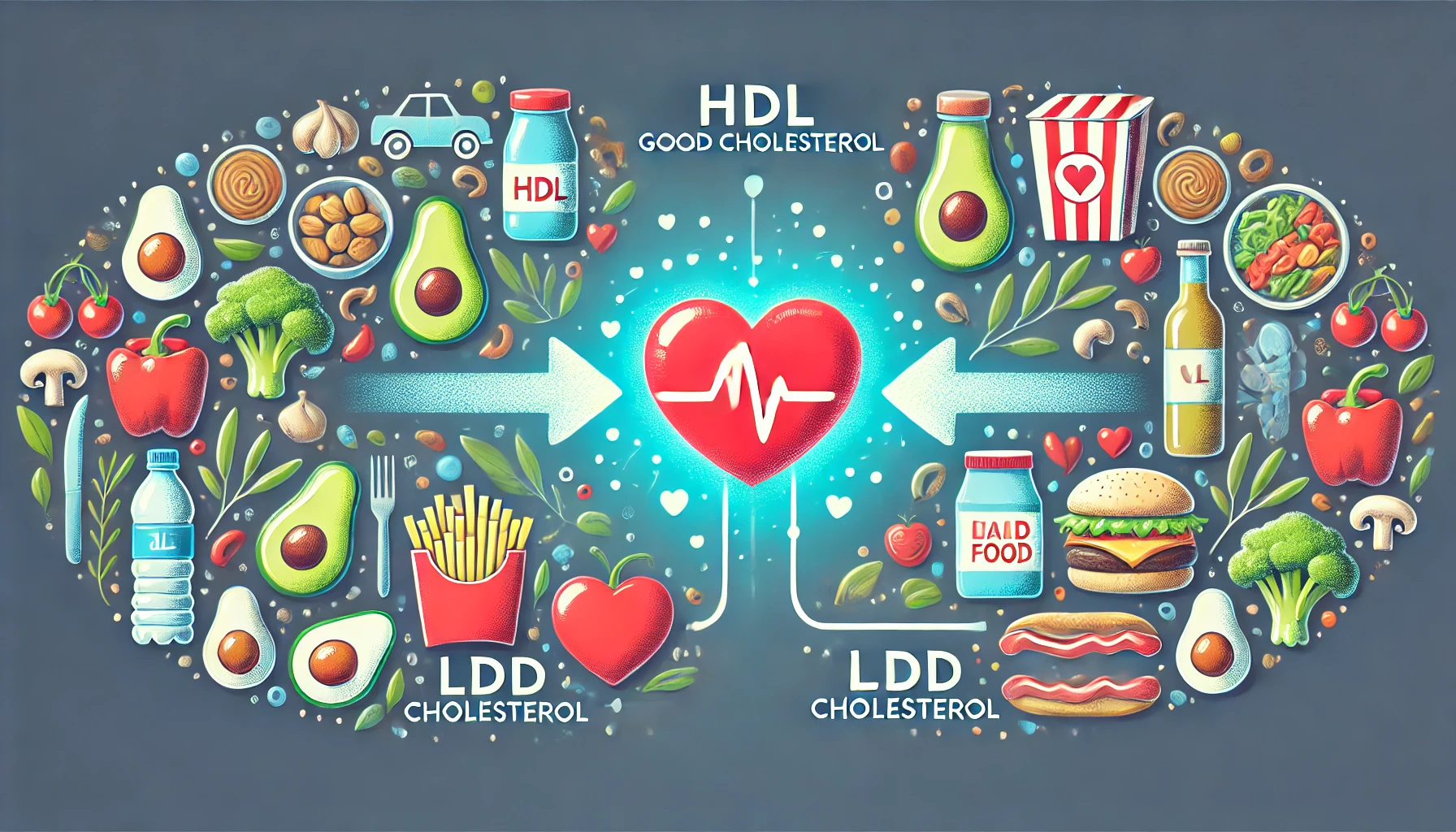
HDL vs. LDL Cholesterol: What’s the Difference and Why It Matters

Cholesterol often gets a bad rap, but not all cholesterol is created equal. High-density lipoprotein (HDL) and low-density lipoprotein (LDL) play very different roles in your health. A 2024 study by the American Heart Association found that 40% of adults have unhealthy cholesterol levels, increasing their risk of heart disease and stroke. Here’s what you need to know about HDL and LDL—and how to keep your levels in check.


What Are HDL and LDL?

 HDL (The “Good” Cholesterol)

  • Role: Transports excess cholesterol to the liver for removal.
  • Benefits: Protects against heart disease by preventing plaque buildup in arteries.
  • Healthy Level: 60 mg/dL or higher.

 LDL (The “Bad” Cholesterol)

  • Role: Carries cholesterol to your arteries, where it can form plaque.
  • Risks: High LDL levels increase the risk of heart disease and stroke.
  • Healthy Level: Less than 100 mg/dL.

Why Cholesterol Balance Matters

 Health Risks of Imbalance

  • High LDL: Leads to plaque buildup, narrowing arteries and restricting blood flow.
  • Low HDL: Reduces your body’s ability to remove excess cholesterol.
  • Combined Effect: Increases the risk of heart attack, stroke, and peripheral artery disease.

 Beyond the Heart

  • Brain Health: High LDL is linked to a higher risk of dementia.
  • Inflammation: Imbalanced cholesterol levels can trigger chronic inflammation.

How to Improve Your Cholesterol Levels

 Dietary Changes

  1. Increase HDL:
    • Eat healthy fats: Avocados, nuts, seeds, and olive oil.
    • Add omega-3s: Fatty fish like salmon, mackerel, and sardines.
    • Choose whole grains: Oats, quinoa, and brown rice.
  2. Lower LDL:
    • Avoid trans fats: Found in fried and processed foods.
    • Limit saturated fats: Reduce red meat, butter, and full-fat dairy.
    • Add soluble fiber: Beans, lentils, apples, and flaxseeds.

 Lifestyle Adjustments

  • Exercise Regularly: Aim for 30 minutes of moderate activity, 5 days a week.
  • Quit Smoking: Smoking lowers HDL and damages blood vessels.
  • Maintain a Healthy Weight: Excess weight can raise LDL and lower HDL.

 Medical Interventions

  • Statins: Prescribed to lower LDL levels.
  • Niacin: Can raise HDL, but consult a doctor before use.
  • Regular Checkups: Monitor cholesterol levels annually if you’re at risk.

Tools to Track and Manage Cholesterol

Tool Purpose Why It’s Useful
MyFitnessPal Track diet and cholesterol-friendly foods Helps you make healthier choices.
Cholesterol Tracker Monitor levels Provides insights and tips for improvement.
Fitbit Track exercise and heart health Encourages physical activity to boost HDL.

Expert Insights: Cholesterol and Health

“HDL is like a garbage truck—it picks up excess cholesterol and takes it away. LDL, on the other hand, is like a delivery truck that drops cholesterol where it shouldn’t be.”
– Dr. Steven Nissen, Cardiologist at the Cleveland Clinic.

“Small changes in diet and lifestyle can have a big impact on your cholesterol levels and overall heart health.”
– Dr. Elizabeth Klodas, Cardiologist and Founder of Step One Foods.


Real-Life Benefits of Balanced Cholesterol

1. Heart Health

Balanced cholesterol reduces the risk of heart disease and stroke.

2. Better Energy

Improved blood flow boosts energy and reduces fatigue.

3. Longer Life

Healthy cholesterol levels are linked to a longer, healthier life.

See also The Power of Intermittent Fasting: A Guide to Better Health and Longevity 


The Bottom Line

Understanding the difference between HDL and LDL is key to protecting your heart and overall health. By making smart dietary choices, staying active, and monitoring your levels, you can keep your cholesterol in check and enjoy a healthier, more vibrant life.

The Power of Intermittent Fasting: A Guide to Better Health and Longevity

Intermittent fasting (IF) has gained popularity as a powerful tool for weight management, improved metabolism, and overall health. But what exactly is it, and how does it work? In this guide, we’ll explore the benefits of intermittent fasting, the different fasting methods, and practical tips for incorporating it into your lifestyle.

What is Intermittent Fasting?

Intermittent fasting is an eating pattern that cycles between periods of fasting and eating. Unlike traditional diets that focus on what to eat, IF focuses on when to eat. By giving the body a break from digestion, fasting can trigger cellular repair, improve metabolic function, and promote fat burning.

Health Benefits of Intermittent Fasting

1. Promotes Weight Loss and Fat Burning

Fasting helps the body switch from burning glucose to burning fat for energy, leading to weight loss. Studies show that intermittent fasting can reduce body weight and belly fat effectively.

2. Enhances Metabolic Health

Fasting can lower insulin resistance, reduce blood sugar levels, and improve heart health markers such as cholesterol and blood pressure.

3. Supports Cellular Repair and Longevity

During fasting, the body initiates a process called autophagy, which helps remove damaged cells and promotes the regeneration of new, healthy cells. This may slow down aging and reduce the risk of chronic diseases.

4. Improves Brain Function

Intermittent fasting has been linked to increased production of brain-derived neurotrophic factor (BDNF), which supports brain health, enhances memory, and may reduce the risk of neurodegenerative diseases like Alzheimer’s.

5. Reduces Inflammation and Boosts Immunity

Chronic inflammation is a root cause of many diseases. Fasting can help reduce inflammation and improve immune system function.

Popular Intermittent Fasting Methods

1. 16/8 Method (Time-Restricted Eating)

Fast for 16 hours and eat within an 8-hour window (e.g., eating from 12 PM to 8 PM). This method is beginner-friendly and easy to maintain.

2. 5:2 Diet

Eat normally for five days a week and consume only 500-600 calories on two non-consecutive days.

3. Eat-Stop-Eat

A 24-hour fast once or twice a week. This method is more advanced and requires discipline.

4. Alternate-Day Fasting

Fasting every other day, either with complete fasting or minimal calorie intake on fasting days.

5. OMAD (One Meal a Day)

A more extreme form where you eat only one meal per day, maximizing fasting benefits but requiring careful nutrition planning.

How to Start Intermittent Fasting

1. Choose a Fasting Method

Start with the 16/8 method, as it is the easiest to follow and sustainable for beginners.

2. Stay Hydrated

Drink plenty of water, herbal teas, and black coffee (without sugar or milk) during fasting periods.

3. Eat Nutrient-Dense Foods

When breaking your fast, focus on whole foods such as lean proteins, healthy fats, vegetables, and whole grains.

4. Avoid Processed Foods and Sugary Drinks

These can spike insulin levels and reduce the benefits of fasting.

5. Listen to Your Body

If you feel dizzy or excessively tired, adjust your fasting schedule or seek professional advice.

Common Myths About Intermittent Fasting

Myth 1: Fasting Causes Muscle Loss Proper fasting combined with sufficient protein intake and resistance training helps preserve muscle mass.

Myth 2: Fasting Slows Metabolism Short-term fasting can actually boost metabolism by increasing norepinephrine levels, which help break down fat.

Myth 3: You Can Eat Anything During Your Eating Window For optimal results, focus on nutrient-dense, whole foods rather than processed junk.

See also The Gut-Brain Connection: How Your Digestive Health Impacts Mental Well-Being 

Conclusion

Intermittent fasting is a powerful tool for weight management, improved metabolism, and overall health. By choosing a fasting method that suits your lifestyle and following simple guidelines, you can enjoy the benefits of IF while maintaining a balanced and healthy diet. Start slow, stay consistent, and watch your body transform!

References:

Disclaimer: This article is for educational purposes only and does not provide medical advice, diagnosis, or treatment. Please consult a healthcare professional before making any changes to your diet or health regimen.

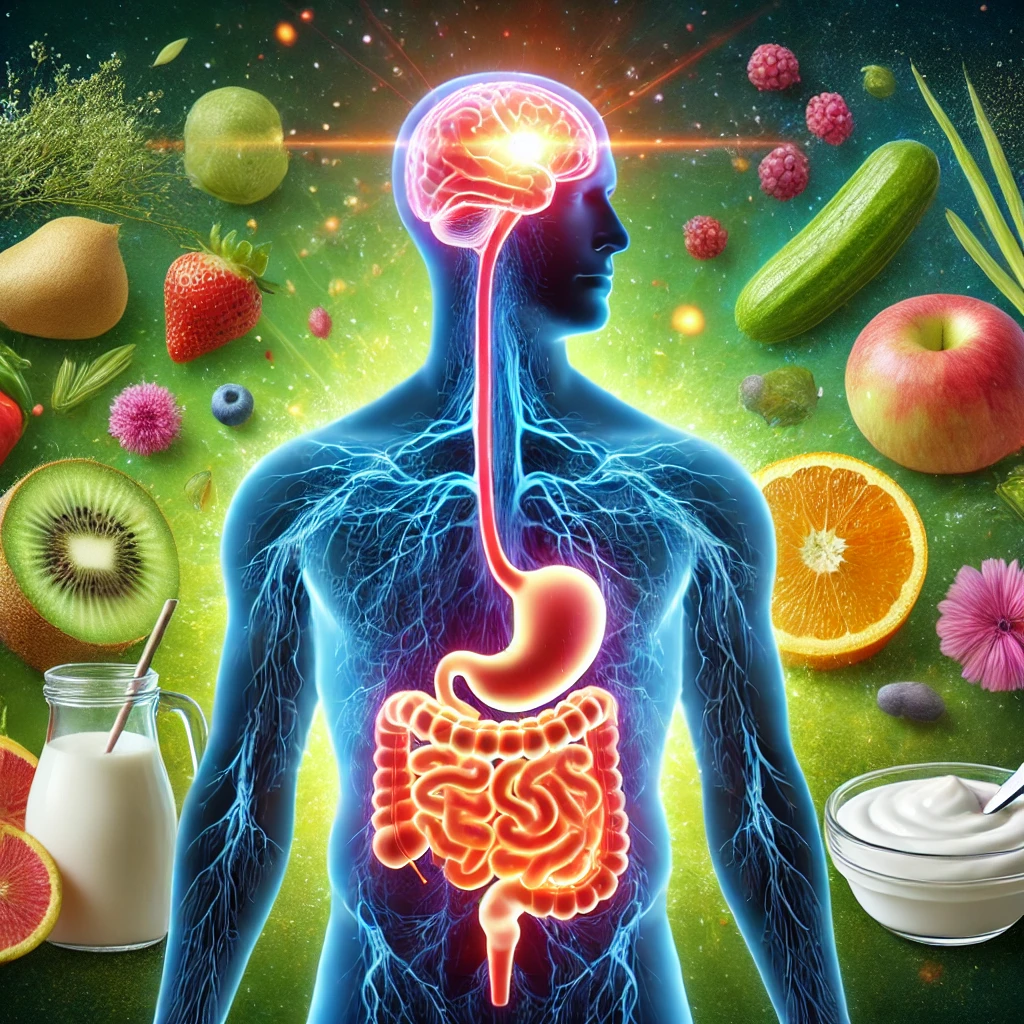
The Gut-Brain Connection: How Your Digestive Health Impacts Mental Well-Being

Did you know that your gut and brain are closely connected? Scientists call this relationship the gut-brain axis, and research shows that your digestive health can significantly impact your mood, stress levels, and cognitive function. In this guide, we will explore the science behind the gut-brain connection and how you can improve your mental and digestive health through diet and lifestyle changes.

Understanding the Gut-Brain Connection

The gut and brain communicate through a complex network of nerves, hormones, and microbes. This bidirectional relationship means that when your gut is healthy, your brain benefits, and vice versa.

  • The Vagus Nerve: A primary communication highway between your gut and brain.
  • Gut Microbiome: Trillions of bacteria in your intestines that influence mood, immunity, and digestion.
  • Neurotransmitters: The gut produces about 95% of the body’s serotonin, a key hormone that stabilizes mood and happiness.

Signs of an Unhealthy Gut

An imbalance in gut bacteria, also known as dysbiosis, can lead to both physical and mental health issues. Common signs include:

  • Bloating, gas, or irregular digestion
  • Food intolerances or frequent infections
  • Fatigue and brain fog
  • Anxiety, depression, or mood swings

How to Improve Your Gut and Mental Health

1. Eat a Fiber-Rich Diet

Fiber helps feed beneficial gut bacteria and supports digestion. Include:

  • Fruits and vegetables (bananas, apples, spinach)
  • Whole grains (oats, quinoa, brown rice)
  • Legumes (beans, lentils, chickpeas)

2. Incorporate Probiotics and Prebiotics

Probiotics are live beneficial bacteria, while prebiotics are the food that fuels them.

  • Probiotics: Found in yogurt, kefir, kimchi, and sauerkraut.
  • Prebiotics: Found in garlic, onions, bananas, and asparagus.

Learn more about probiotics and gut health.

3. Reduce Processed Foods and Sugar

Excess sugar and processed foods can cause gut inflammation and lead to imbalances in gut bacteria.

4. Manage Stress

High stress levels can disrupt gut function. Try:

  • Meditation and deep breathing exercises
  • Regular physical activity
  • Spending time outdoors

5. Stay Hydrated

Drinking enough water supports digestion and helps maintain a balanced gut microbiome.

6. Get Enough Sleep

Poor sleep negatively affects both gut health and mental well-being. Aim for 7-9 hours of quality sleep per night.

Discover how sleep impacts gut health.

7. Consider Supplements

Certain supplements may support gut health, including:

  • Probiotic supplements (for digestive balance)
  • Omega-3 fatty acids (for reducing inflammation)
  • L-glutamine (for gut lining repair)

See also The Ultimate Guide to Digital Detox: How to Unplug for Better Mental Health 

Conclusion

Your gut health plays a crucial role in your mental well-being. By making small dietary and lifestyle changes, you can enhance both your digestive system and mood. Start prioritizing your gut today for a healthier, happier mind!


The Ultimate Guide to Digital Detox: How to Unplug for Better Mental Health

In today’s digital world, we are constantly connected to our screens. Whether it’s social media, work emails, or streaming services, excessive screen time can lead to stress, anxiety, and reduced productivity. A digital detox is the perfect way to reclaim your mental well-being and improve your daily life. In this guide, we will explore the benefits of unplugging and how you can implement a successful digital detox.

What is a Digital Detox?

A digital detox involves taking a break from screens and technology to focus on real-world interactions, mindfulness, and self-care. It doesn’t mean eliminating technology completely but creating a healthier balance between online and offline activities.

Benefits of a Digital Detox

1. Reduces Stress and Anxiety

Constant notifications and online interactions can overwhelm your brain. Taking a break helps lower stress levels and enhances emotional stability.

2. Improves Sleep Quality

Blue light from screens disrupts your sleep cycle. Reducing screen time before bed promotes better sleep and overall well-being. Read more about blue light and sleep.

3. Enhances Focus and Productivity

Excessive screen time can reduce concentration. A digital detox helps you regain focus and increases productivity by minimizing distractions. Learn about productivity tips.

4. Strengthens Relationships

Spending less time on screens allows for more meaningful in-person connections with family and friends, improving relationships and communication.

5. Encourages Mindfulness and Self-Reflection

Unplugging from technology creates space for self-reflection, meditation, and being present in the moment.

How to Start a Digital Detox

1. Set Clear Goals

Decide what you want to achieve with your detox. Whether it’s reducing social media use or limiting screen time before bed, having a clear goal helps maintain focus.

2. Create Tech-Free Zones

Establish screen-free areas in your home, such as the bedroom or dining table, to encourage face-to-face interactions.

3. Use Screen Time Tracking Apps

Monitor your daily screen time and set limits using apps like Digital Wellbeing (Android) or Screen Time (iOS).

4. Schedule Offline Activities

Replace screen time with engaging offline activities like reading, exercising, or outdoor hobbies.

5. Take Social Media Breaks

Temporarily deactivate or mute notifications from social media apps to prevent constant distractions.

6. Set a Digital Curfew

Turn off devices at least an hour before bedtime to improve sleep quality and relaxation.

7. Practice Mindful Technology Use

Be intentional about when and how you use technology. Engage in purposeful screen time instead of mindless scrolling.

See also The Benefits of Journaling: How Writing Can Transform Your Mental Health 

Conclusion

A digital detox can bring significant improvements to your mental health, productivity, and relationships. By taking small, intentional steps, you can develop a healthier relationship with technology. Start your detox today and enjoy a more balanced and mindful life!