

The Benefits of Journaling: How Writing Can Transform Your Mental Health

In a world filled with constant noise and distractions, journaling offers a quiet space for self-reflection and clarity. Whether you’re jotting down your thoughts, tracking goals, or expressing emotions, putting pen to paper has profound mental health benefits. A 2024 study by the University of Rochester found that just 15 minutes of journaling daily can reduce stress, improve mood, and even boost immunity. Here’s how this simple habit can transform your life—and how to get started.


Why Journaling Works

️ The Science Behind It

  • Stress Reduction: Writing about your thoughts and feelings helps process emotions, lowering cortisol levels.
  • Improved Focus: Journaling organizes your mind, making it easier to prioritize tasks and goals.
  • Emotional Healing: Expressing yourself on paper can help you work through trauma or anxiety.

 The Cost of Not Journaling

  • Mental Clutter: Unprocessed thoughts can lead to overwhelm and burnout.
  • Poor Emotional Regulation: Bottling up emotions increases stress and anxiety.
  • Missed Opportunities: Without reflection, it’s harder to learn from experiences or set meaningful goals.

How to Start Journaling

 Simple Techniques

  1. Gratitude Journaling:
    • Write down 3 things you’re grateful for each day.
    • Focus on small, everyday moments.
  2. Stream-of-Consciousness Writing:
    • Write whatever comes to mind for 5–10 minutes.
    • Don’t worry about grammar or structure—just let it flow.
  3. Goal Tracking:
    • List your short-term and long-term goals.
    • Reflect on progress and adjust as needed.
  4. Emotional Release:
    • Write about your feelings, especially during tough times.
    • Use prompts like, “What’s weighing on me today?”

Tools to Enhance Your Journaling Practice

Tool Purpose Why It’s Useful
Day One App Digital journaling Easy to use and accessible on all devices.
The Five-Minute Journal Guided prompts Perfect for beginners and busy schedules.
Notion Customizable journaling templates Great for goal tracking and organization.

Expert Insights: The Power of Journaling

“Journaling is a form of self-therapy. It helps you process emotions, gain clarity, and find solutions to problems.”
– Dr. James Pennebaker, Psychologist and Author of Writing to Heal.

“Writing down your thoughts is like decluttering your mind. It creates space for creativity and peace.”
– Julia Cameron, Author of The Artist’s Way.


Real-Life Benefits of Journaling

1. Stress Relief

Journaling helps you process emotions, reducing anxiety and tension.

2. Improved Mental Clarity

Writing organizes your thoughts, making it easier to focus and make decisions.

3. Personal Growth

Reflecting on your experiences helps you learn and grow.

See also 10 Essential Tips for a Healthy Lifestyle: A Complete Guide 


The Bottom Line

Journaling is a simple yet powerful tool for improving mental health and overall well-being. By dedicating just a few minutes each day to writing, you can reduce stress, gain clarity, and unlock your full potential. So, grab a notebook or open an app—your mind will thank you.

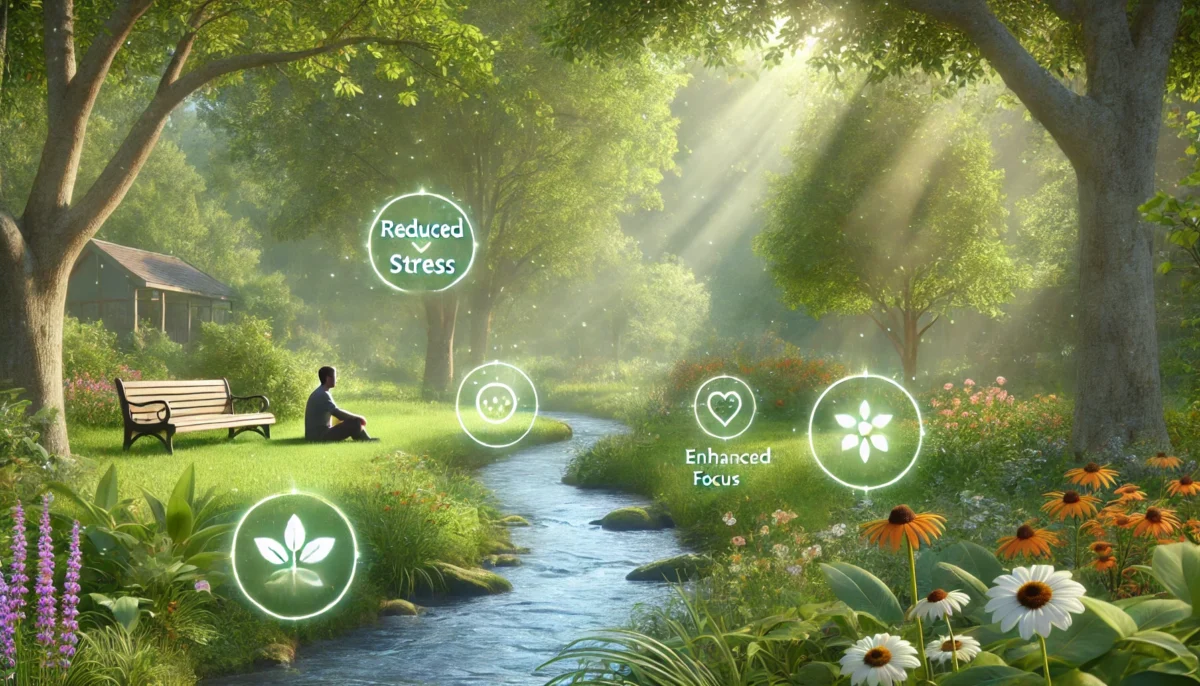
The Power of Deep Breathing: How It Boosts Health and Reduces Stress

In our fast-paced, always-on world, stress has become a constant companion. But what if the key to calming your mind and improving your health was as simple as breathing? Deep breathing isn’t just a relaxation technique—it’s a science-backed tool for reducing stress, improving focus, and even boosting immunity. A 2024 study by Harvard Medical School found that just 5 minutes of deep breathing daily can lower cortisol levels by 20%. Here’s how to harness the power of your breath for better health.


Why Deep Breathing Works

️ The Science Behind It

  • Stress Reduction: Deep breathing activates the parasympathetic nervous system, calming your body’s “fight or flight” response.
  • Improved Oxygen Flow: It increases oxygen delivery to your brain and muscles, enhancing focus and energy.
  • Detoxification: Deep breaths help expel toxins and improve lung function.

 Risks of Shallow Breathing

  • Chronic Stress: Shallow breathing keeps your body in a constant state of tension.
  • Fatigue: Poor oxygen flow leads to low energy and brain fog.
  • Weakened Immunity: Stress hormones suppress your immune system.

How to Practice Deep Breathing

 Simple Techniques

  1. Diaphragmatic Breathing:
    • Sit or lie down comfortably.
    • Place one hand on your chest and the other on your stomach.
    • Inhale deeply through your nose, letting your stomach rise.
    • Exhale slowly through your mouth, feeling your stomach fall.
    • Repeat for 5–10 minutes.
  2. Box Breathing:
    • Inhale for 4 seconds.
    • Hold for 4 seconds.
    • Exhale for 4 seconds.
    • Hold for 4 seconds.
    • Repeat for 5 cycles.
  3. 4-7-8 Breathing:
    • Inhale for 4 seconds.
    • Hold for 7 seconds.
    • Exhale for 8 seconds.
    • Repeat for 4 rounds.

Tools to Enhance Your Practice

Tool Purpose Why It’s Useful
Calm App Guided breathing exercises Perfect for beginners and daily practice.
Headspace Mindfulness and breathing Offers structured programs for stress relief.
Breathwrk App Custom breathing routines Tailored techniques for energy, sleep, and focus.

Expert Insights: The Benefits of Deep Breathing

“Deep breathing is one of the most effective ways to reduce stress and improve overall health. It’s free, easy, and accessible to everyone.”
– Dr. Andrew Weil, Integrative Medicine Pioneer and Creator of the 4-7-8 Technique.

“When you control your breath, you control your mind. It’s a simple yet powerful tool for emotional regulation.”
– Dr. Richard Brown, Co-Author of The Healing Power of the Breath.


Real-Life Benefits of Deep Breathing

1. Stress Relief

Deep breathing lowers cortisol levels, reducing anxiety and tension.

2. Better Sleep

Practicing before bed calms the mind and improves sleep quality.

3. Enhanced Focus

Increased oxygen flow sharpens concentration and mental clarity.

See also Sunlight for Health: How to Get It Right


The Bottom Line

Deep breathing is a simple, powerful tool for improving your health and well-being. By taking just a few minutes each day to focus on your breath, you can reduce stress, boost energy, and enhance your overall quality of life. So, take a deep breath—your body and mind will thank you.

The Mental Health Benefits of Nature: Why You Need More Green Time

In our fast-paced, screen-dominated lives, nature often takes a backseat. But stepping outside isn’t just a luxury—it’s a necessity for mental well-being. A 2024 study by the University of Exeter found that spending just 20 minutes in nature reduces stress, boosts mood, and improves focus. Whether it’s a walk in the park or a weekend hike, reconnecting with the outdoors can transform your mental health. Here’s why nature is your best therapist—and how to make it part of your routine.


The Science Behind Nature’s Healing Power

 What Happens When You Go Outside

  • Stress Reduction: Nature lowers cortisol levels by up to 21%.
  • Mood Boost: Exposure to green spaces increases serotonin, the “feel-good” hormone.
  • Improved Focus: Time in nature restores attention and reduces mental fatigue.

 Long-Term Benefits

  • Reduced Anxiety and Depression: Regular nature exposure cuts symptoms by 30%.
  • Better Sleep: Natural light regulates your circadian rhythm.
  • Enhanced Creativity: Nature walks spark new ideas and problem-solving skills.

Why Modern Life Disconnects Us from Nature

 Screen Overload

  • The average person spends 7+ hours daily on screens (Statista, 2024).
  • Constant digital stimulation leads to stress and burnout.

️ Urban Living

  • City dwellers have 40% less access to green spaces.
  • Noise and pollution increase anxiety and fatigue.

How to Reconnect with Nature

 Simple Ways to Get Outside

  1. Daily Walks: Aim for 20–30 minutes in a park or garden.
  2. Weekend Adventures: Explore hiking trails, beaches, or forests.
  3. Green Commutes: Walk or bike through green areas to work or school.

 Bring Nature Indoors

  • Houseplants: Improve air quality and reduce stress.
  • Nature Sounds: Use apps like Calm to play forest or ocean sounds.
  • Natural Light: Open curtains and spend time near windows.

Tools to Enhance Your Nature Experience

Tool Purpose Why It’s Useful
AllTrails Find hiking trails Discover nearby green spaces.
PlantSnap Identify plants and trees Learn about nature while exploring.
NatureDose Track time outdoors Set goals and monitor benefits.

Expert Insights: Nature’s Impact on Mental Health

“Nature is not a luxury; it’s a fundamental human need. Even small doses can have profound effects on mental health.”
– Dr. Qing Li, Author of Forest Bathing: How Trees Can Help You Find Health and Happiness.

“Spending time in nature resets our overstimulated brains, helping us feel calmer and more focused.”
– Dr. Rachel Kaplan, Environmental Psychologist.


Real-Life Benefits of Green Time

1. Stress Relief

A study in Frontiers in Psychology found that 90% of participants felt less stressed after a nature walk.

2. Improved Relationships

Outdoor activities foster bonding and communication.

3. Enhanced Creativity

Nature walks increase creative problem-solving by 50% (University of Utah).

See also Why Hydration Is Your Secret Weapon for Better Health


The Bottom Line

Nature is a powerful, free, and accessible tool for mental well-being. Whether it’s a stroll in the park or a weekend in the woods, make time to reconnect with the outdoors. Your mind—and body—will thank you.