

The Future of Work: How Remote Work Is Reshaping Careers and Companies

The way we work has changed forever. What started as a temporary shift during the pandemic has become a permanent transformation. A 2024 study by Gartner found that 74% of companies plan to keep some form of remote work, and employees are embracing the flexibility it offers. But this shift isn’t just about working from home—it’s reshaping careers, company cultures, and even cities. Here’s how remote work is changing the game and what it means for the future.


Why Remote Work Is Here to Stay

 The Rise of Flexibility

  • Employee Demand: 83% of workers prefer hybrid or fully remote models (Buffer, 2024).
  • Cost Savings: Companies save on office space, utilities, and commuting subsidies.
  • Global Talent Pool: Remote work allows businesses to hire the best talent, regardless of location.

 Challenges of Remote Work

  • Isolation: 42% of remote workers report feeling lonely or disconnected.
  • Work-Life Balance: Blurred boundaries between work and home can lead to burnout.
  • Communication Gaps: Miscommunication and collaboration hurdles are common in virtual teams.

How Remote Work Is Reshaping Careers

 New Career Opportunities

  • Location Independence: Professionals can work for global companies without relocating.
  • Side Hustles: Remote work makes it easier to pursue freelance gigs or passion projects.
  • Upskilling: Online learning platforms like Coursera and Udemy are booming as workers invest in new skills.

️ Skills in Demand

  • Digital Literacy: Proficiency in tools like Zoom, Slack, and project management software.
  • Self-Management: Time management and discipline are critical for remote success.
  • Communication: Clear, concise communication is essential in virtual settings.

How Companies Are Adapting

 Rethinking Office Spaces

  • Hybrid Models: Employees split time between home and office.
  • Hub-and-Spoke Offices: Smaller satellite offices closer to employees’ homes.
  • Co-Working Memberships: Companies provide access to shared workspaces.

 Building Remote Cultures

  • Virtual Team-Building: Activities like online trivia, coffee chats, and gaming sessions.
  • Mental Health Support: Offering resources like therapy apps and wellness stipends.
  • Transparent Communication: Regular check-ins and clear expectations to foster trust.

Tools for Remote Work Success

Tool Purpose Why It’s Useful
Slack Team communication Keeps teams connected and organized.
Trello Project management Visual boards for tracking tasks.
Zoom Video conferencing Facilitates virtual meetings and events.
Notion All-in-one workspace Combines notes, tasks, and databases.

Expert Insights: The Future of Work

“Remote work isn’t just a trend—it’s a fundamental shift in how we think about productivity and work-life balance.”
– Brian Chesky, CEO of Airbnb.

“The companies that thrive in this new era will be the ones that prioritize flexibility, trust, and employee well-being.”
– Dr. Lynda Gratton, Future of Work Expert and Author of Redesigning Work.


Real-Life Benefits of Remote Work

1. Work-Life Balance

Flexible schedules allow employees to better manage personal and professional commitments.

2. Cost Savings

No commuting means saving on transportation, meals, and work attire.

3. Environmental Impact

Fewer commutes reduce carbon emissions and traffic congestion.


The Bottom Line

Remote work is more than a trend—it’s a revolution. By embracing flexibility, investing in technology, and prioritizing employee well-being, companies and workers alike can thrive in this new era. The future of work is here, and it’s remote.
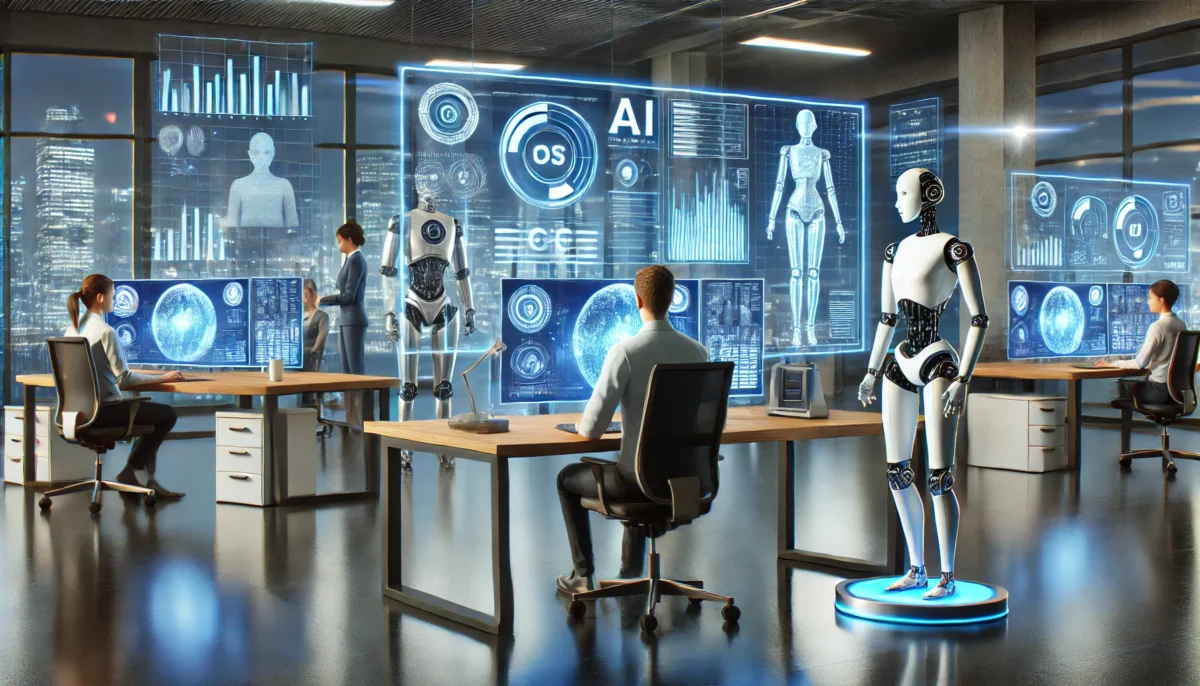
The Future of Work: How AI and Automation Are Reshaping Careers

The workplace is evolving faster than ever, thanks to artificial intelligence (AI) and automation. From chatbots handling customer service to algorithms managing investments, technology is transforming how we work—and what it means to stay employable. A 2024 McKinsey report predicts that 375 million jobs worldwide will be disrupted by automation by 2030. But don’t panic—this shift also creates opportunities for those who adapt. Here’s how to future-proof your career in the age of AI.


The Automation Wave: What’s Changing?

 By the Numbers

  • AI adoption has grown by 270% in the last four years (Gartner).
  • 85% of CEOs say AI will significantly impact their industries by 2025 (PwC).
  • 50% of tasks in manufacturing, retail, and logistics could be automated (World Economic Forum).

Jobs at Risk (and Why)

1. Repetitive Roles

  • Examples: Data entry, assembly line work, basic accounting.
  • Why: AI excels at predictable, rule-based tasks.

2. Middle-Skill Jobs

  • Examples: Telemarketing, clerical work, inventory management.
  • Why: Automation tools like RPA (Robotic Process Automation) handle these tasks faster and cheaper.

3. Driving and Delivery

  • Examples: Truck drivers, delivery personnel.
  • Why: Self-driving vehicles and drones are becoming mainstream.

Emerging Opportunities: Where Humans Thrive

1. AI and Machine Learning Specialists

  • Why: Someone needs to build, train, and maintain AI systems.
  • Skills Needed: Python, TensorFlow, data analysis.

2. Creative and Strategic Roles

  • Examples: Content creators, marketers, UX designers.
  • Why: AI can’t replicate human creativity or emotional intelligence.

3. Healthcare and Caregiving

  • Examples: Nurses, therapists, elderly care.
  • Why: These roles require empathy and adaptability—qualities machines lack.

How to Future-Proof Your Career

️ Upskilling Essentials

  1. Learn AI Basics: Platforms like Coursera and edX offer beginner-friendly AI courses.
  2. Master Data Literacy: Tools like Tableau and Power BI are invaluable for data-driven roles.
  3. Develop Soft Skills: Communication, teamwork, and problem-solving are irreplaceable.

 Adaptability Tips

  • Stay Curious: Follow trends on platforms like TechCrunch or Wired.
  • Network Strategically: Join communities like LinkedIn Groups or Meetup to connect with industry leaders.

Tools to Stay Ahead

Tool Purpose Why It’s Useful
LinkedIn Learning Skill-building courses Learn in-demand skills at your own pace.
Kaggle AI and data science projects Practice with real-world datasets.
FutureLearn Career-focused certifications Affordable courses from top universities.

Expert Insights: Thriving in the AI Era

“The jobs of the future won’t just require technical skills—they’ll demand adaptability and a growth mindset.”
– Satya Nadella, CEO of Microsoft.

“Automation isn’t about replacing humans; it’s about augmenting our capabilities. Focus on what makes you uniquely human.”
– Fei-Fei Li, AI Pioneer and Stanford Professor.


Real-Life Success Stories

1. From Cashier to Data Analyst

Sarah, a former retail worker, used Google’s Data Analytics Certificate to transition into a high-demand tech role.

2. AI-Powered Entrepreneur

Jake, a graphic designer, learned AI tools like Canva’s Magic Design to automate repetitive tasks, freeing time for creative projects.

Read also Cyber Threats in Everyday Life: How to Protect Yourself


The Bottom Line

The future of work isn’t about competing with machines—it’s about collaborating with them. By embracing lifelong learning, honing uniquely human skills, and staying ahead of trends, you can turn automation into an opportunity, not a threat.